

1. Registration for the speech by the honorable president of Arad Branding on Eid al-Ghadir Khumm
| June 14 | 2 PM to 6 PM |
| City | Qom |
| Invited employees | 150 people |
| Invited traders | 450 people |
| Registration link | Click here |
2. Arad Branding Newspaper
Let's create a movement by publishing on social media.
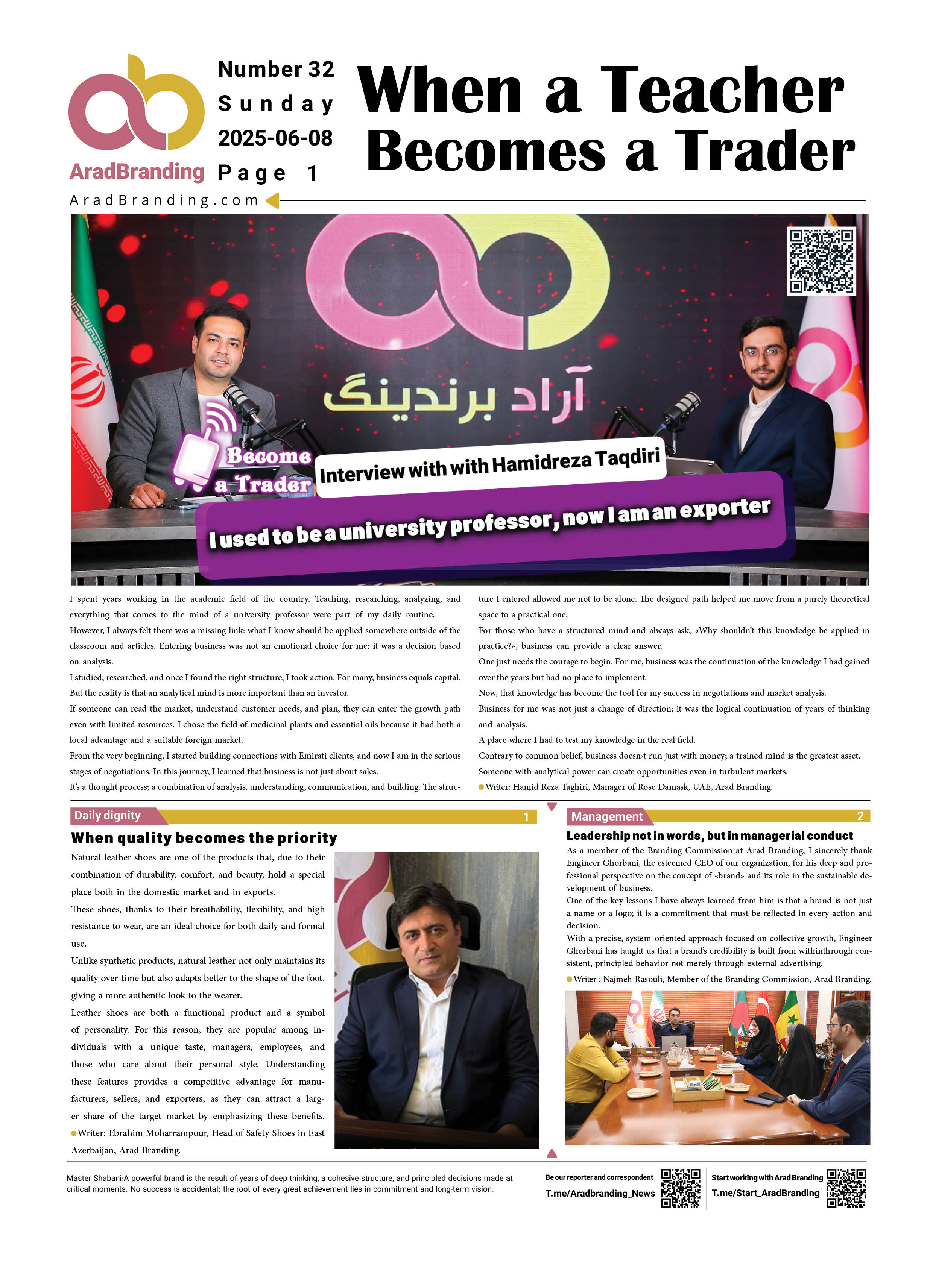
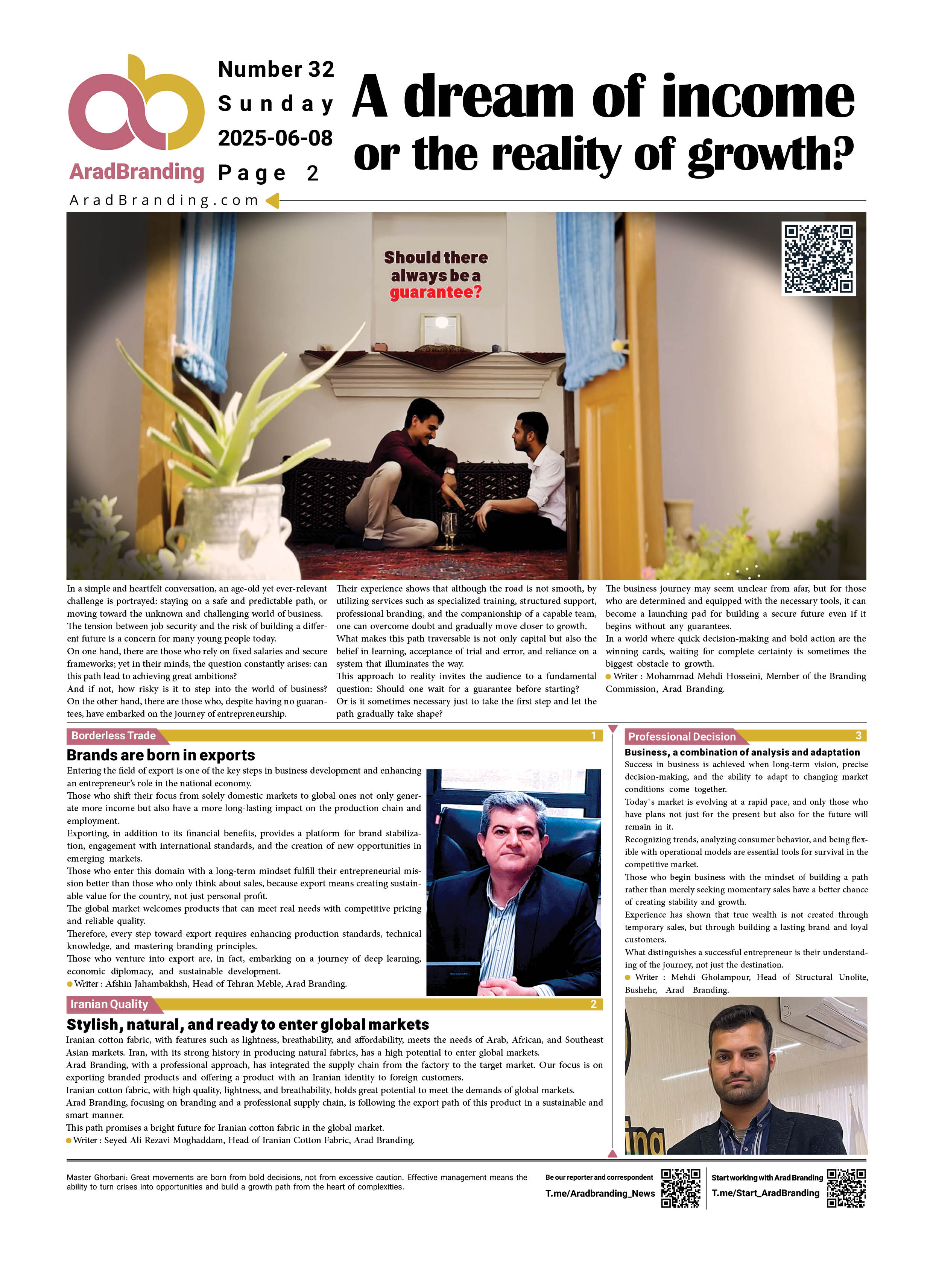
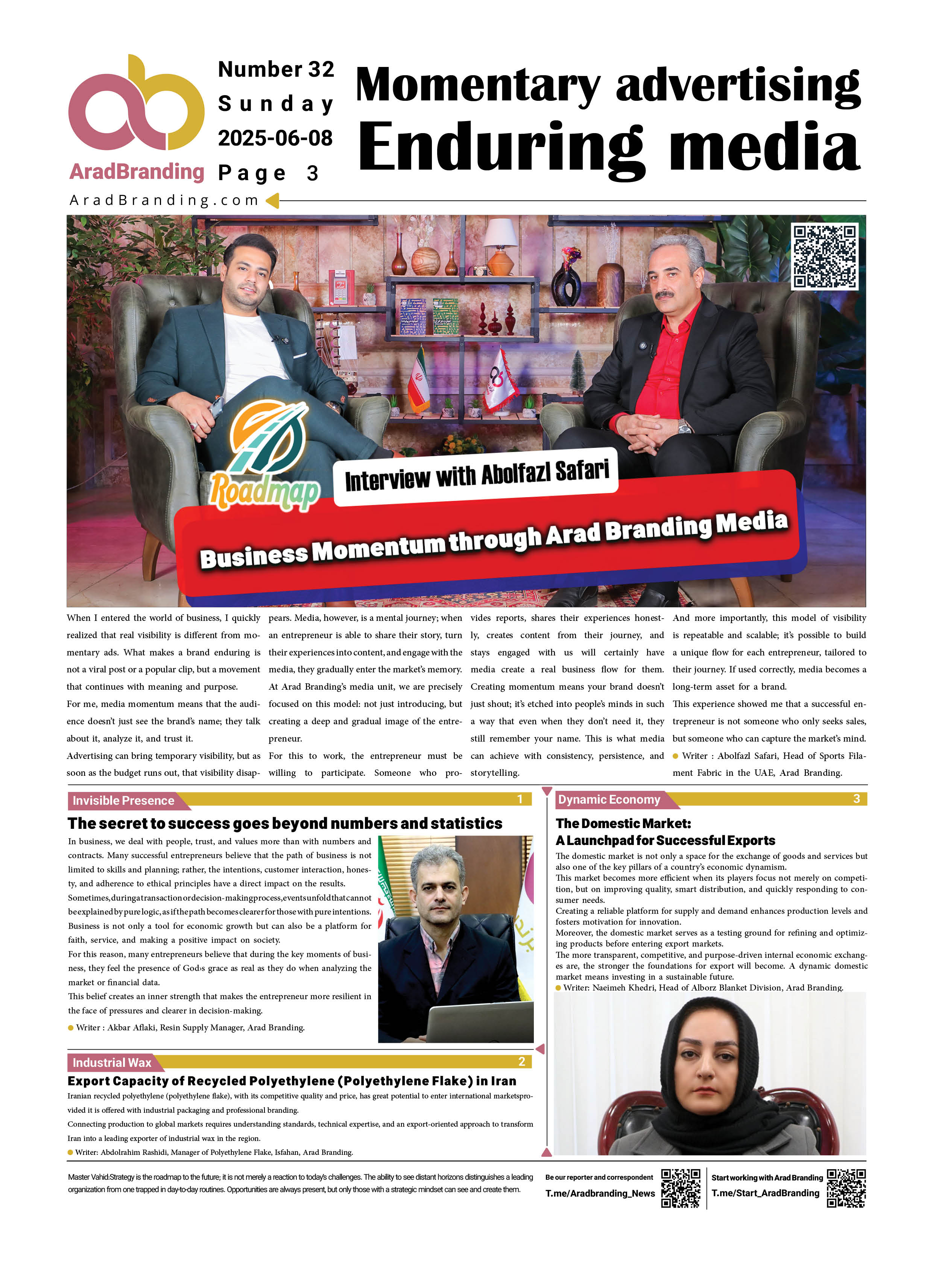
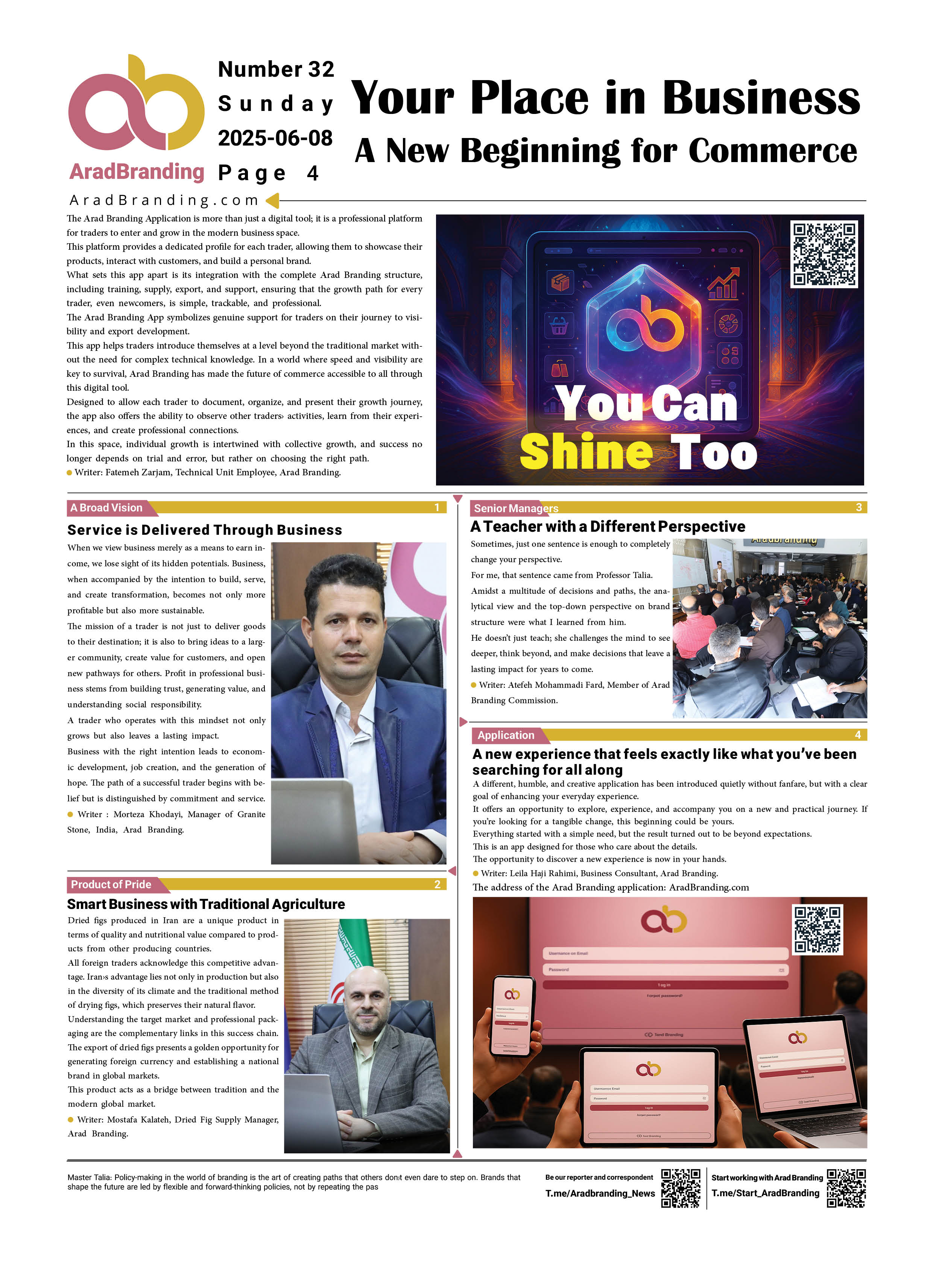
Those who wish to have their content published in the Arad Branding newspaper should contact the following Telegram ID and submit their content and images.
T.me/aradbranding_news
3. Launch of Arad Branding office in Qom
⏱️ 1 minute
4. Why do the "Provincial Trustees" help other traders?
In Arad's powerful trade structure, the "Provincial Trustees" are responsible for 4 key areas in supporting other traders:
-
Supply of goods and products
-
Logistics and shipping
-
Mentoring and negotiating with international representatives
-
Independent branding for new traders
At first glance, these responsibilities might seem like they're for others...
But if we look closer, the answer to an important question lies here:
How do the Trustees benefit from this path?
✅ First: These 4 responsibilities are themselves income channels.
Supply, logistics, mentoring, and branding are each opportunities for sustainable income on their own.
By providing these services to other traders, the Trustees both help others grow and increase their own shared income.
This means:
-
Every new trader is a shared profit path for the Trustees.
-
Every successful business has both spiritual rewards and material benefits.
✅ Second: The Trustees strengthen their own trade.
When someone gains practical experience in supply, international negotiations, or logistics, they're not only useful to others but naturally become more advanced in their own trade.
The one who builds a bridge for others is the first to cross it.
Through service, the Trustees themselves gain mastery, experience, branding, connections, and credibility.
✅ Third: Other traders become informal subsidiaries of the Trustees.
Because Trustees interact with various traders while providing services, they become reference points.
This means if they perform their roles correctly:
-
Traders will turn to them for advice, help, and even project execution.
-
Gradually, a network of traders forms around them, creating a steady flow of income and commercial influence.
The answer is clear:
Being a Trustee isn't mandatory—it's a choice.
A choice for those who:
-
Want to fulfill their duty to the country's economy.
-
Want to democratize trade.
-
And want to go beyond the "self" and become "current builders," not just consumers of it.
🎯 And another important advantage
Trustees and organizational position holders receive the most support from Arad Branding's 5 specialized departments.
This means:
-
Dedicated support
-
Deeper training
-
Priority in project referrals and high-level connections
In reality, Arad Branding opens faster and broader growth paths for these individuals.
🌱 Summary:
Being a Trustee means:
-
Creating opportunities for others and yourself
-
Building personal and collective brands
-
Influencing the provincial economy
-
And taking a serious step toward becoming a global trader
If you're still hesitant, just ask yourself this question:
Did I enter trade just for myself, or did I come to leave my mark on others' growth paths?
If the second answer resonates with you, your place among the Provincial Trustees is empty.
Strong and capable traders should contact the selected members of the Provincial Trustees and, with their approval, can become Trustees.
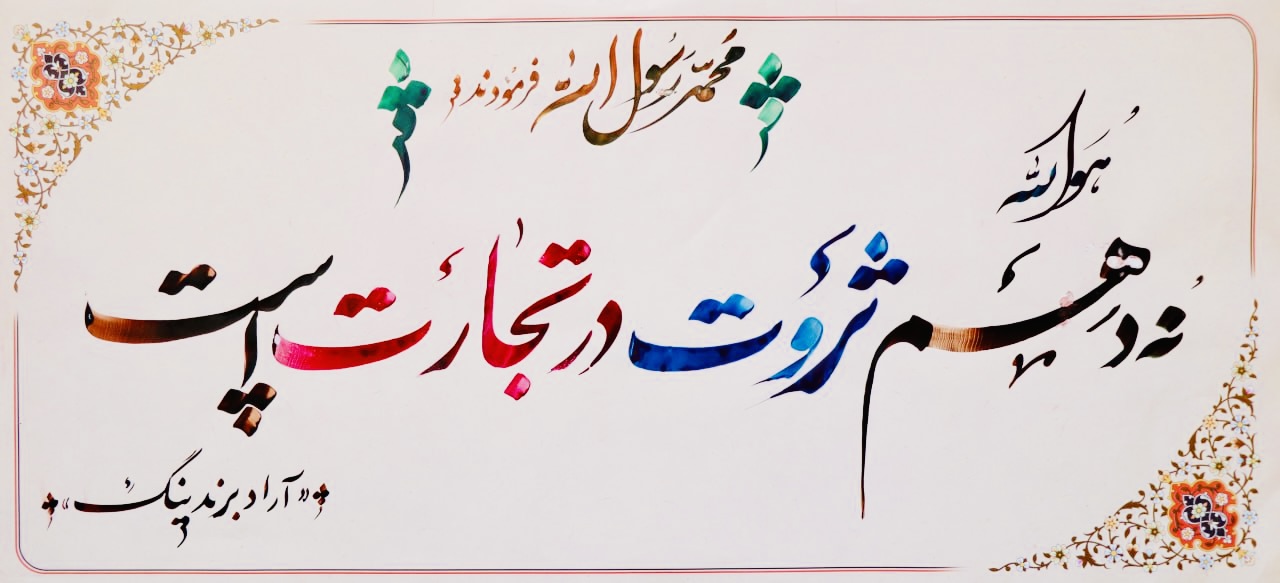
5. Stable job or free trade?
⏱️ 14 minutes
6. Eight countries under Arad trade microscope
⏱️ 3 minutes
7. "I don't know how to use Arad App!"
🔍 Do you really not know, or don't you want to know?
In a simple field survey, we found that almost all who claim not to know how to use Arad Branding software have Telegram, WhatsApp, and Instagram installed on their phones and use them easily.
The question is:
❓ How do you know how to use apps like Telegram with all its complexities and hidden menus?
❓ How can you message, post stories, watch lives on WhatsApp and Instagram, but can't learn Arad software, which is simpler than all of them?
The answer is:
🔻 Because Arad software puts you in the work and trade space
🔻 And this means you have to strive, connect, grow
🔻 And many retreat from this point.
Not because they don't know... but because they don't want to enter the real arena.
🎭 What's hidden behind the "I don't know" mask?
🧠 Some have built an imaginary mountain in their minds called "difficulty"
And because they're unwilling to climb this imaginary mountain, they prefer not to install it at all.
👀 Some don't want to take responsibility.
Because if they install it, they no longer have excuses and must take action.
And many prefer to do nothing but always complain and be dissatisfied.
😤 And some are just looking for ways to grumble.
Knowing is dangerous for them because they no longer have excuses for staying inactive!
🔨 So what's the solution?
✅ Arad software is a hundred times easier than Telegram, WhatsApp, Instagram.
✅ If you want, you can familiarize yourself with it in 5 minutes.
-
Get help from an Arad trader
-
Get help from family or housemates
-
Or go to the trade offices in provinces
And throw away the excuses.
⚠️ Remember:
«Not knowing» isn't a condition
«Not knowing» is a choice
And many make this choice because they fear «knowing»
Because they know that afterward, they can no longer be «irresponsible»
But if you're truly after trade and progress
From today, remove this phrase from your vocabulary forever:
«I don't know how to use the software»
Instead, say:
I'll learn it, install it, and master it because I want to achieve money and progress.
And if you still don't want to learn, that's fine.
But you have no right to blame anyone but yourself for your failures.
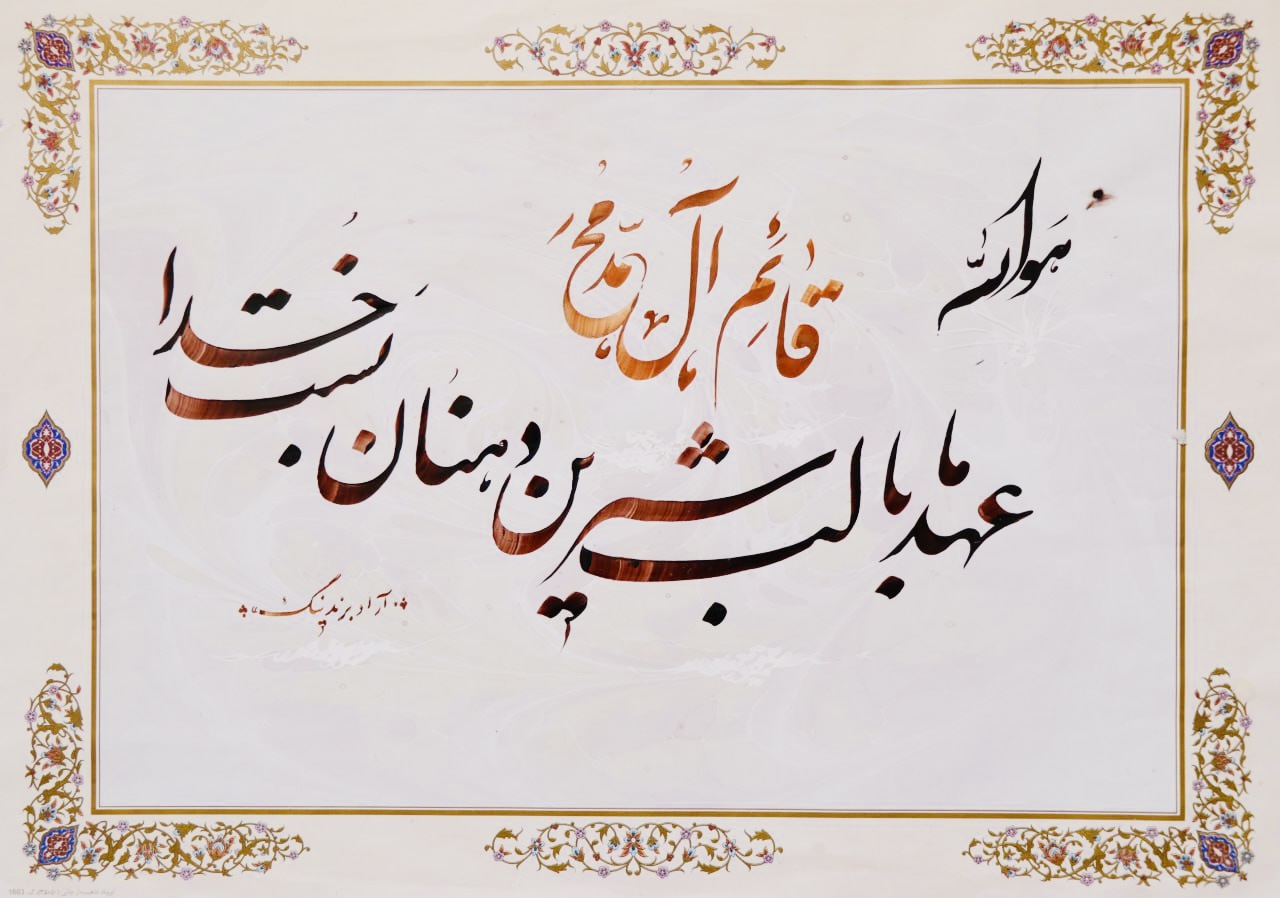
8. Being a girl is hard
⏱️ 1 minute
9. The Series: No Defrauding in Sale!
⏱️ 3 minutes
10. Organizational position means business growth with the first greeting
In the world of trade, taking the initiative in greeting isn't just social etiquette; it's a growth strategy.
Those who wait for others to greet them first in business interactions will sooner or later miss opportunities.
But those who initiate the greeting are proactive, relationship-builders, and growth-oriented.
Here are five solid reasons why the first greeting in trade is primary power:
1. First greeting means initiative
A trader who greets first shows they don't wait for opportunities—they create them.
They're movers, not spectators.
In trade, opportunities come to those who start, not passive observers.
2. First greeting means relationship management
Connection is a trader's most important asset.
Those who initiate connections take command of the relationship from the start.
They set the course for dialogue, trust-building, and negotiation.
While those who wait for greetings will at best be followers.
3. First greeting means confidence
A trader who greets says, "I have something to say," I'm confident, I'm here to engage, not observe.
And this feeling transfers to the audience.
As narrated:
المُؤمِنُ يُعرَفُ بِسَلامِهِ
A believer is recognized by their greeting.
📚 (Al-Kafi, Vol. 2, P. 645)
So greeting is a sign of personal maturity, not weakness.
4. First greeting reduces audience resistance
When you greet first, you send an indirect message:
"I'm interactive, don't fear me."
In trade, many don't engage due to inner doubts.
But when you initiate the greeting, you break the ice and warm the atmosphere.
5. First greeting means business responsibility
Organizational position holders in Arad Branding are those who shoulder growth burdens.
And growth burdens mean connections, follow-ups, team-building, activating others.
Those who wait for greetings can't lead.
But those who initiate greetings will also initiate all trade stages.
✨ Summary:
First greeting:
-
Opens doors
-
Creates space
-
Wins trust
-
Builds respect
-
And ultimately, brings wealth
So be an organizational position holder, but not just in name...
With your first greeting, show you're a relationship-building trader and field leader.
And don't forget:
السّلامُ سَبَبُ المَودَّةِ
Greeting causes affection.
📚 (Nahj al-Balagha, Maxim 390)
So greet first... and make trade yours.
11. Cyrus the Great's Conquests
⏱️ 1 minute
12. Appointment to organizational positions
| Organizational Position | Full Name |
| Raisin Supply Member | Karim Valizadeh |
| Ceramic Tableware Supply Member | Mohammad Alaei |
| Pakistan Bedding Set Manager | Zainab Govahiyan |
| UAE Fig Manager | Abdullah Mubasheri |
| Manager of Golden Raisins, Saudi Arabia | Fatima Sheikh |
| Manager of Hydrating Cream, Iraq | Farzaneh Hosseini |
| Manager of Mortar, Somalia | Mohammad Ahmadi |
| Manager of Dairy Ice Cream, Iraq | Mohammad Beyzai |
| Manager of Building Facade Textile Covering, Lebanon | Mohammad Mohammadi |
| Manager of Artificial Leather, UAE | Asghar Saie |
| Manager of Plant Growth Enhancer, Turkey | Ahmad Abbasi |
| Manager of Industrial Degreasing Detergent, Oman | Amir Adham |
| Manager of Pasta, Iraq | Zahra Yaghout |
| Manager of Polyethylene Pipes and Fittings, Ethiopia | Suleiman Ali Tabar |
| Manager of Dried Apples, Iraq | Kobra Sayadi |
| Manager of Heavy Vehicle Suspension Parts, Iraq | Moslem Zehtab |
| Manager of Luxury Figs, Iraq | Tahereh Pour Sadegh |
| Supervisor of Thyme, Kohgiluyeh and Boyer-Ahmad | Ehsan Ansari |
| Supervisor of Grape Syrup, Tehran | Ahmad Pour Akbari |
| Supervisor of Fig Nougat, Fars | Sedigheh Sadeghi |
| Supervisor of Flixweed, Fars | Abdolreza Shahriari |
| Supervisor of Tiles, Yazd | Ali Etminan |
| Supervisor of Toys, Tehran | Kourosh Nejati |
| Supervisor of Willow Flower Distillate, Isfahan | Mohammad Nosheen |
| Supervisor of Pistachios, Kerman | Maryam Ardestani |
| Supervisor of Heavy Vehicle Suspension Parts, Alborz | Moslem Zehtab |
| Supervisor of Lighting and Lamps, Alborz | Mansour Razavi |
| Supervisor of Dried Mulberries, Tehran | Noshin Velai |
| Supervisor of Bedspreads, Mazandaran | Zainab Variji |
| Supervisor of Asafoetida, Razavi Khorasan | Tahereh Aein |
| Supervisor of Figs, Fars | Abdollah Mobasheri |
| Supervisor of Medical Consumable Equipment, North Khorasan | Fatima Mahmoudi |
| Supervisor of Medical Consumable Equipment, Tehran | Fariba Eskandari |
| Supervisor of Agricultural Tools, Tehran | Mohammad Jafari |
| Supervisor of Dried Plums, Tehran | Mohammad Reza Haddadzadeh |
| Supervisor of Building Facade Textile Covering, Mazandaran | Mohammad Mohammadi |
| Supervisor of Irrigation Equipment, Hamadan | Mohammad Dini |
| Branding Officer for Dates | Hasan Dadi |
| Branding Officer for Rock Candy | Zahra Borji |
| Branding Officer for Dried Plums | Mojtaba Khosropanah |
| Branding Officer for Dried Fruits | Noshin Velai |
13. Appointment of Traders to Organizational Positions
| Condition | Approval Authority | Organizational Position |
| P +12 | Consensus of Secretaries | City Office Manager |
| P +11 | Supply Committee | Product Supply Manager |
| P +10 | Logistics Committee | Country Logistics Specialist |
| P +8 | Export Committee | Country Product Manager |
| P +4 | Domestic Trade Committee | Provincial Product Supervisor |
| P +1 | Branding Committee | Product Branding Officer |
| P +1 | Click Here | Request for Organizational Position |
14. Daily Online Business Meetings
| Times: 12 - 20 - 21 - 23 |
| Join via Google Meet |
| meet.google.com/onb-juhr-qaa |
| Download Google Meet for Android - Apple |
| 12:00: How to create QR for trading house |
| 20:00: Suitable statuses for social media and Arad Branding software |
| 21:00: Country Product Managers |
| 23:00: Role and responsibilities of board members |
15. Practical Workshops by Provincial Board of Trustees
- Fars, June 9 at 18:00, How to increase visits and engagement of trading house posts? aradbranding.com/ZahraZare
- East Azerbaijan, June 9 at 18:00, Importance of trading house posts and Arad Branding software in increasing income, aradbranding.com/beizaeiy
- Kermanshah, June 9 at 18:00, How to maximize use of Arad Branding software and trading house posts, aradbranding.com/Bisetoonkesht
- Hamadan, June 9 at 18:00, Installation and setup of Arad Branding software, aradbranding.com/shakib
- Qazvin, June 9 at 18:00, How to work with Arad Branding software and its importance in expanding business relations, aradbranding.com/Aliverdi
- Mazandaran, June 9 at 18:00, How to use Arad Branding software, aradbranding.com/soltani
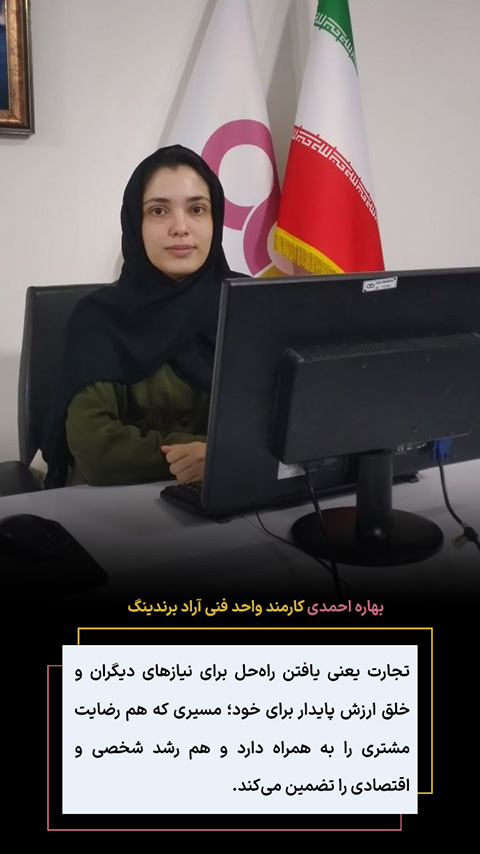
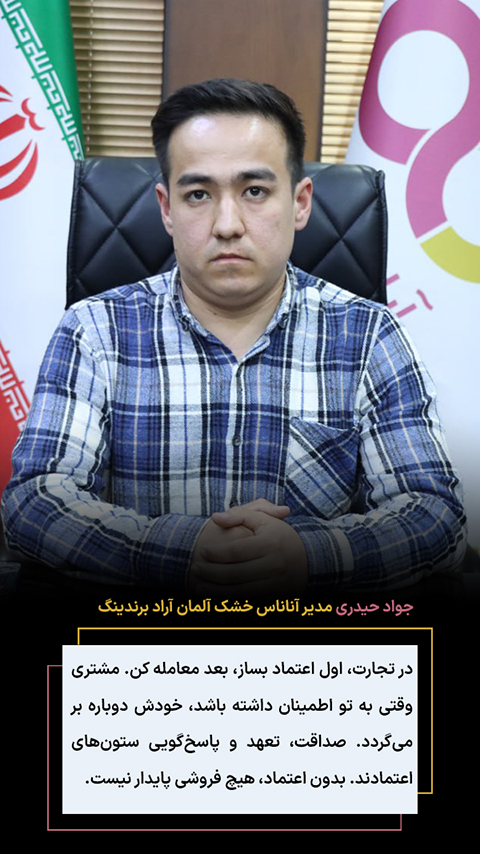
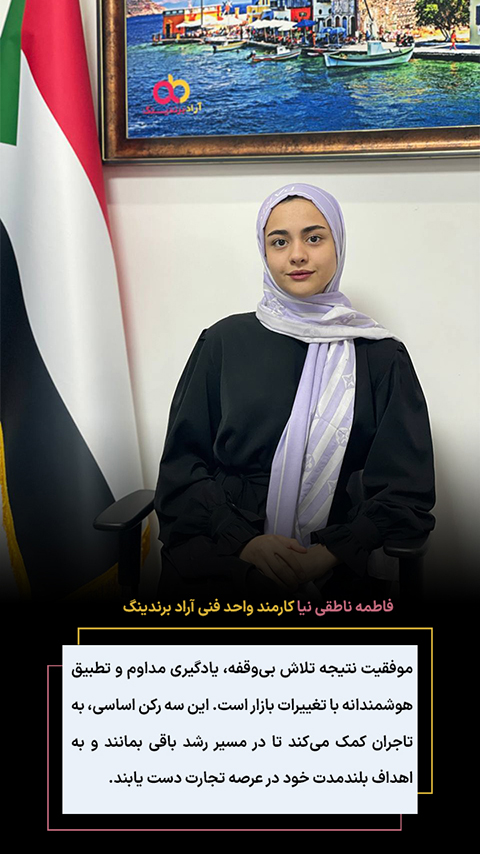
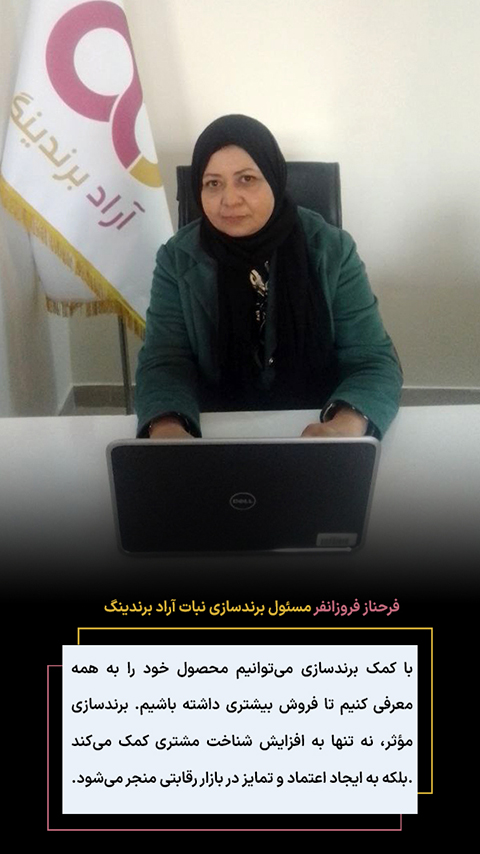
16. Commerce Campaign by Media Department
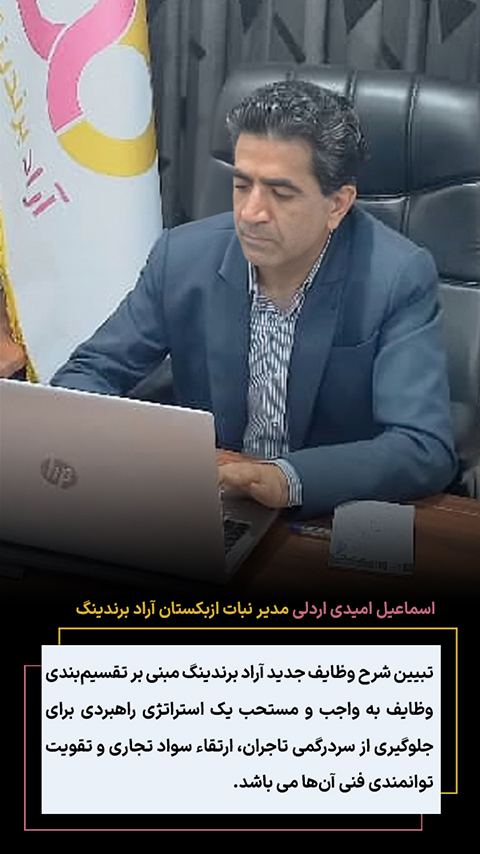
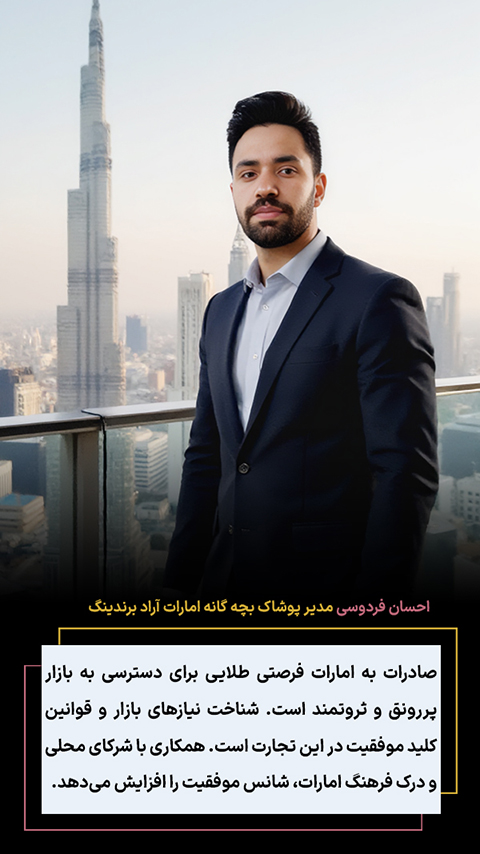
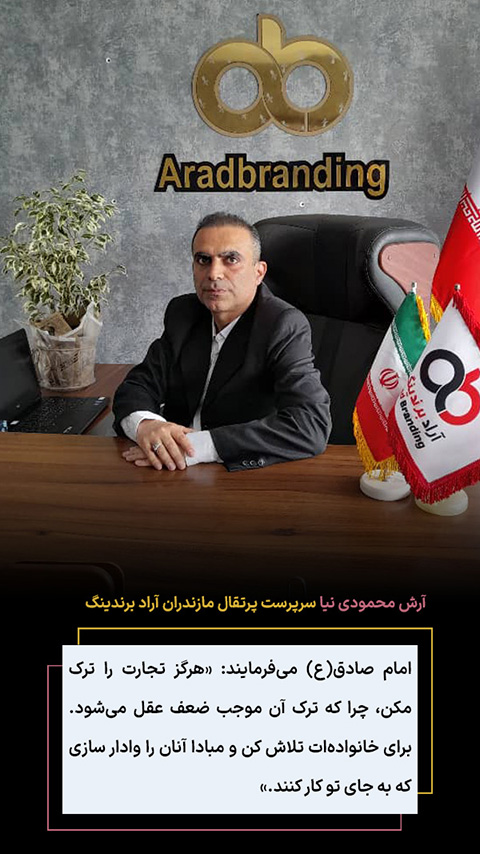
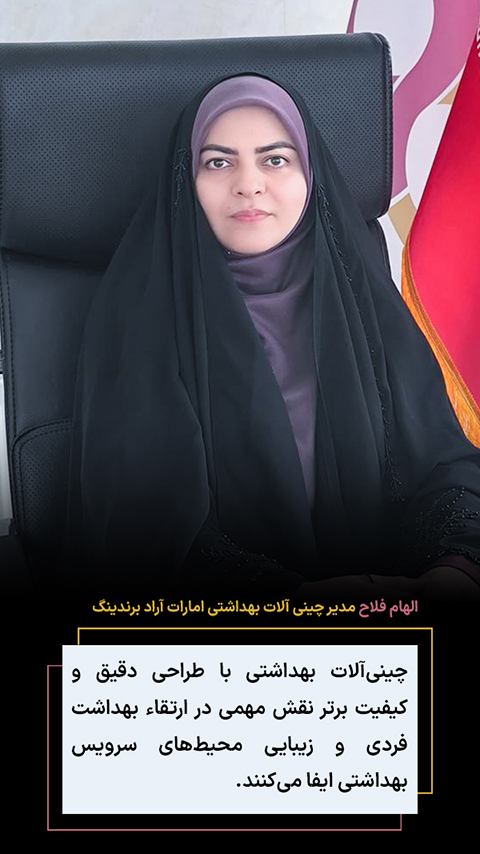
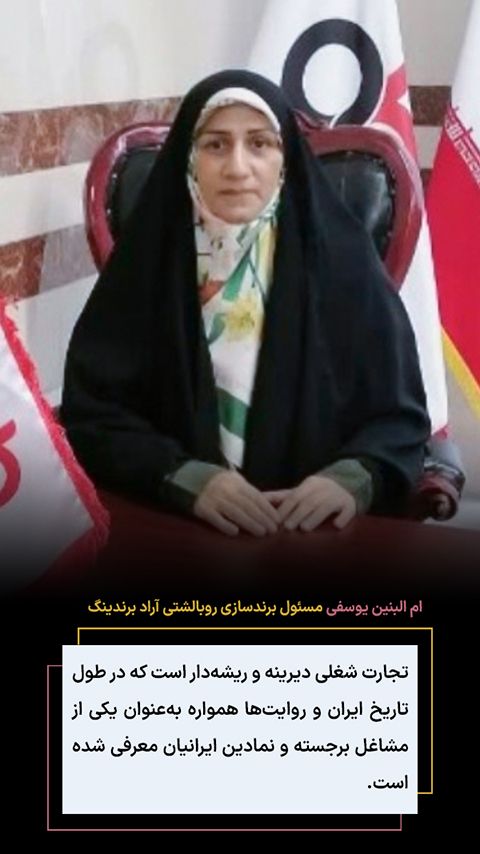
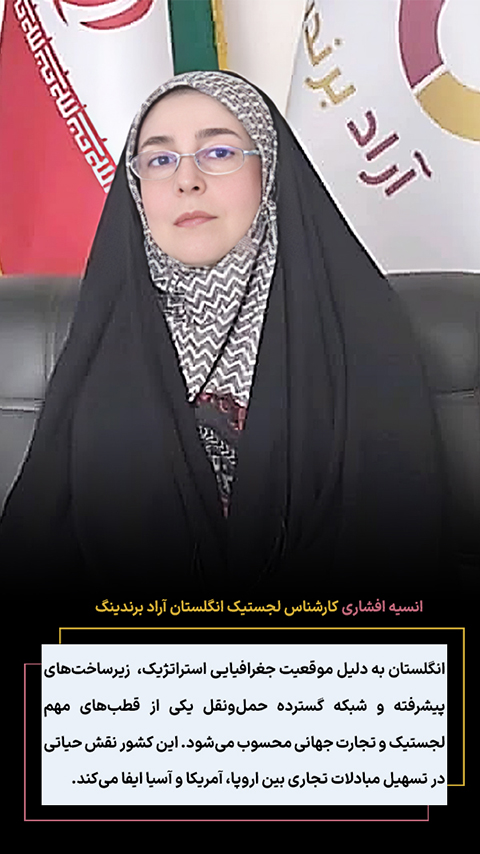
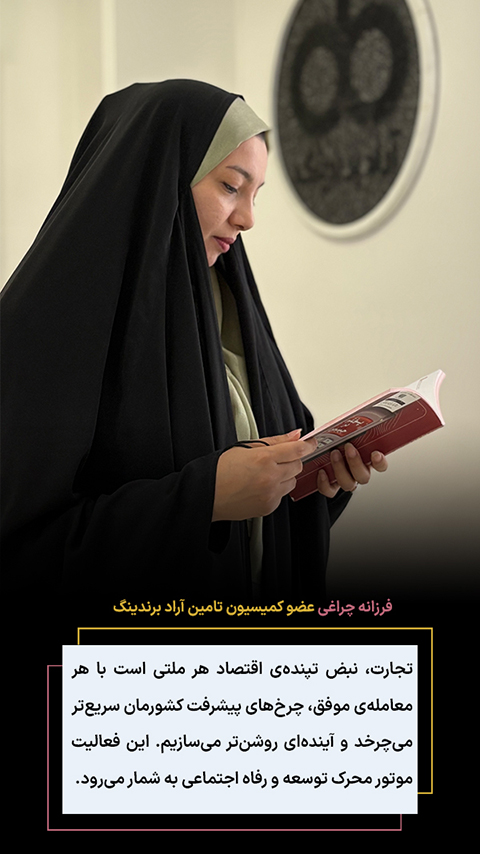
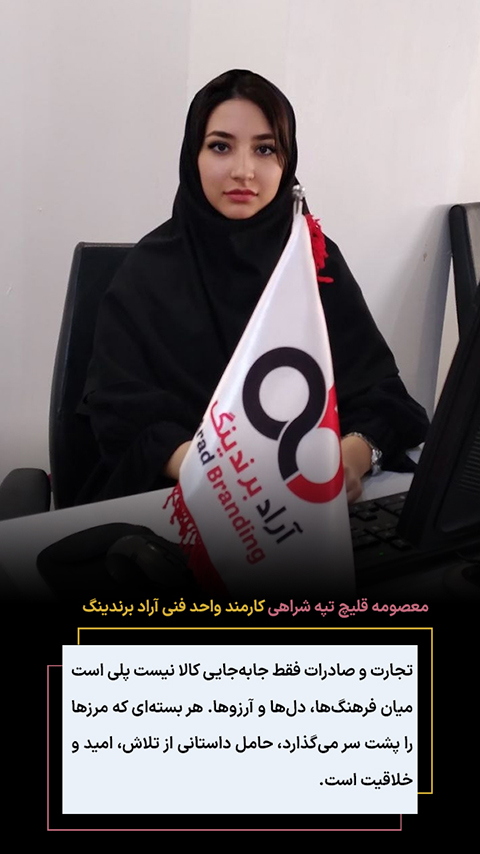
By uploading a daily photo of yourself, be a trendsetter.
17. Useful Links
- Arad Branding Trading House
- Arad Branding Software
- Business Growth Consultation
- Feedback on Employee or System Performance
18. Trade and the Birth of Wealthy Nations: How Mercantilism Transformed Europe?
Trade is one of humanity's oldest forms of economic interaction, but during certain historical periods, particularly in pre-modern Europe, it became a systematic policy known as mercantilism.
This article attempts to analyze the role of trade in the formation of wealthy European nations.
It examines the reasons for their economic growth and clearly explains the relationship between trade, wealth concentration, and the transformation of civilizations.
This analysis can provide a model for developing countries to rethink their economic patterns.
1. Introduction: Trade, the Forgotten Element of Development
Many countries on the path to development have tried policies such as state-led industrialization, foreign investment, or bureaucratic and oil-based revenues; but few countries have achieved economic stability and sustainable development without growth in domestic and foreign trade.
During this time, Europe took a different path from the 16th century onward—a path that focused on trade and led to the birth of mercantilism.
2. Mercantilism: The Birth of State-Centric Trade Policy
Mercantilism, which dominated European economic policymaking between the 16th and 18th centuries, was founded on the belief that:
«A nation's wealth equals the gold and silver in its treasury.»
Accordingly, European countries sought to increase exports and reduce imports.
More exports meant more gold flowing into the treasury.
Fewer imports meant less gold leaving the country.
2.1. Tools of Mercantilism:
-
Heavy tariffs on imports
-
Comprehensive support for domestic industries
-
Expansion of colonies to secure raw materials
-
Use of maritime trade and the creation of commercial and military fleets
3. Trade, the Main Driver of Europe's Transformation
At the heart of these policies, trade played a key role.
Europeans built naval fleets, connected ports, and established international trading companies such as the East India Company and the West India Company, transforming trade from a local activity into a transcontinental system.
During this period:
-
Trading cities like Amsterdam, London, Lisbon, and Marseille became global trade hubs.
-
A new class called the commercial bourgeoisie emerged and challenged the feudal order.
-
Foreign policy became deeply intertwined with commercial interests.
For Europe, trade was not just about exchanging goods—it was a launchpad into modern civilization.
4. Mercantilism, Despite Its Flaws, Institutionalized Trade
Although mercantilism was later criticized for its narrow view of wealth (reliance on gold) and was replaced by Adam Smith's theory of free trade in The Wealth of Nations (1776), it cannot be denied that:
Mercantilism brought trade from the margins to the center of politics and economics.
Before mercantilism, trade was considered a lower-class occupation, but under mercantilist policies, being a merchant became a respected social position.
5. Reflections in Third World Countries
In many underdeveloped countries, trade is still not institutionalized.
In their educational, cultural, and media systems, merchants are either invisible or portrayed negatively.
In contrast, professions like doctors, lawyers, government employees, or engineers hold higher social status.
Meanwhile, in developed countries, a teenager's answer to "What do you want to be in the future?" is simply: «Merchant»
6. Reverse Engineering; What Is the Solution?
To return to the path of growth, trade must be brought back into the mainstream of culture and politics. This requires the following actions:
🔹 Rebuilding the Image of the Merchant in Public Perception
Through media, education, and policymaking, merchants should be recognized as drivers of national economic prosperity, not as suspicious figures.
🔹 Investing in Digital Trade Infrastructure
Governments must strengthen domestic and international trade platforms (payment gateways, postal services, logistics, websites, and applications).
🔹 Encouraging Public Participation in Trade
When people become sellers and exporters themselves, dependence on salaries and fluctuations in currency, gold, and real estate decreases.
7. Conclusion
Despite its flaws, mercantilism taught the world a valuable lesson:
Trade is the backbone of a strong economy.
Europe rose to power through trade, and commerce became the new identity of wealthy nations.
If we wish to rise like those nations, we must redesign our path—not through oil extraction or speculative investments, but by democratizing trade.
🔚 Final Suggestion
Let us move trade from the periphery of our minds and see it as a noble and saving profession of the 21st century.
Wealth lies not in gold or oil, but in the value that a merchant creates at the heart of society.
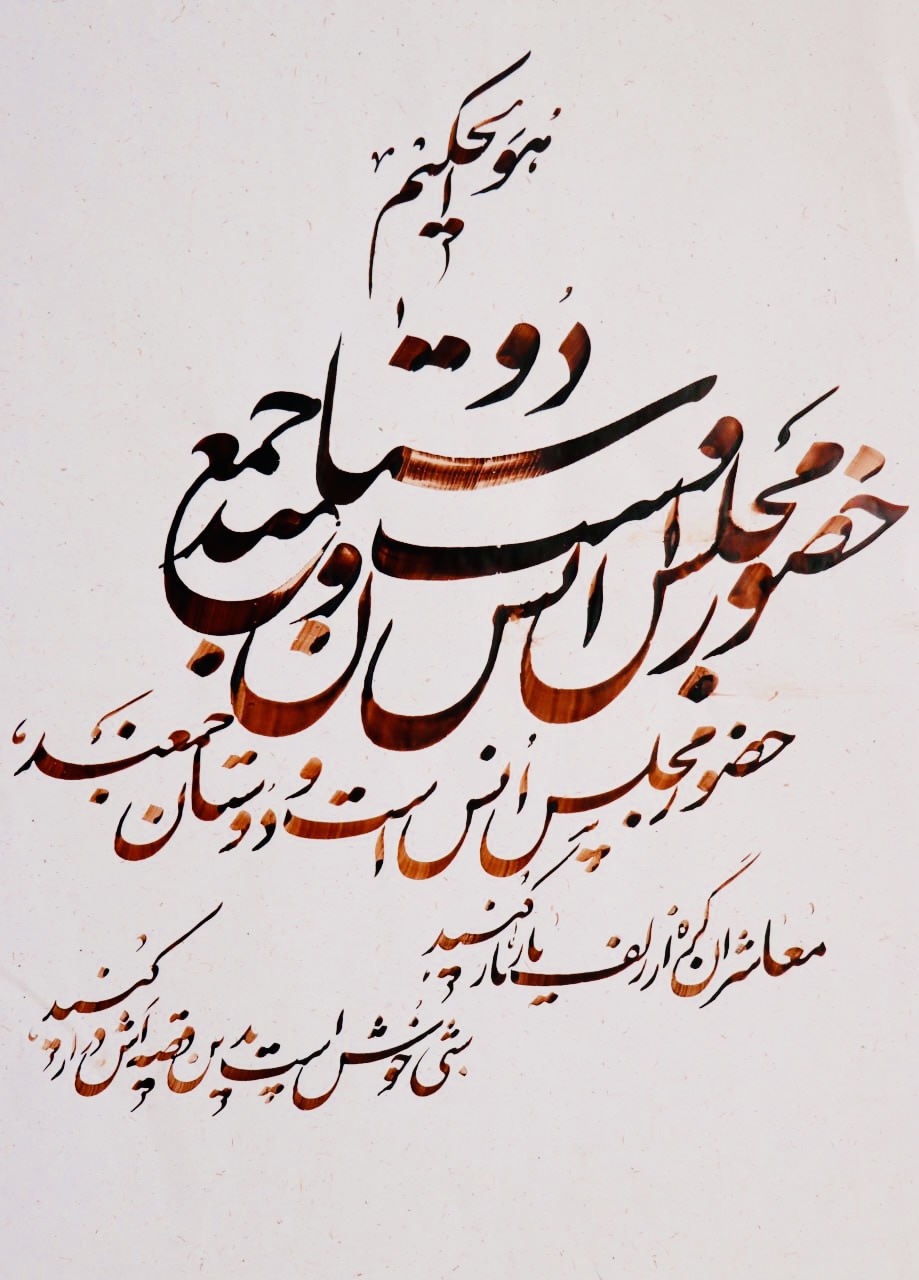
Calligraphy by Master Mohammad Ali Mahjoub
Text written by AI (ChatGPT)