

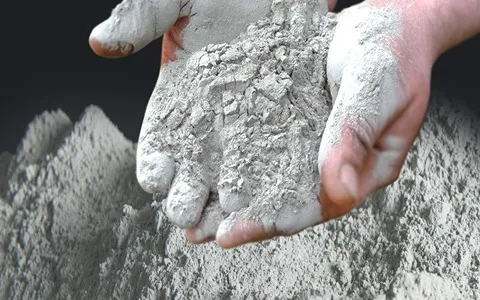
Ordinary Portland Cement (OPC)
Ordinary Portland Cement, also known as OPC, is the most commonly used type of cement in construction.
It is versatile, cost-effective, and widely available, making it suitable for a wide range of applications.
OPC is manufactured by grinding clinker and gypsum together, resulting in a fine powder that hardens when mixed with water.
It is ideal for general construction purposes such as masonry, plastering, and concrete works.
OPC comes in different grades, including OPC 33 Grade, OPC 43 Grade, and OPC 53 Grade, with varying compressive strengths.
Portland Pozzolana Cement, or PPC, is a blend of OPC clinker and pozzolanic materials such as fly ash, rice husk ash, or silica fumes.
This type of cement offers improved workability, reduced heat hydration, and enhanced durability compared to OPC.
PPC is known for its low permeability, which makes it ideal for structures exposed to aggressive environments or marine conditions.
It is commonly used in hydraulic structures, dams, bridges, and residential buildings where durability is a key concern.
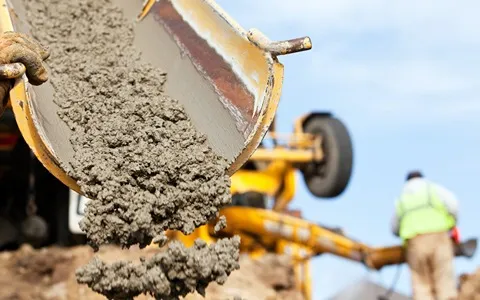
Rapid Hardening Cement
Rapid Hardening Cement, as the name suggests, achieves high early strength gain within a short period.
This type of cement is produced by finely grinding the clinker with a higher C3S content, resulting in accelerated hydration and setting.
Rapid Hardening Cement is ideal for quick repair works, precast concrete elements, cold weather concreting, and situations where early formwork removal is required.
It offers rapid strength development, allowing construction projects to be completed swiftly and efficiently.
Sulphate Resistant Cement, or SRC, is specially designed to resist the damaging effects of sulphates present in soil and water.
The presence of sulphates can cause expansion and cracking in concrete structures, leading to deterioration over time.
SRC contains a low tricalcium aluminate (C3A) content, which reduces the risk of sulphate attack and ensures long-term durability.
This type of cement is commonly used in marine structures, sewage treatment plants, foundation works, and locations with high sulphate concentrations.

White Cement
White Cement is a specialized type of cement that is distinguished by its white color and aesthetic appeal.
It is produced from raw materials with low iron content, such as limestone and clay, to achieve a pure white finish.
White Cement is often used for decorative purposes, architectural concrete, terrazzo flooring, and special finishes where a pristine white appearance is desired.
It offers excellent workability, high compressive strength, and minimal color variation, making it an ideal choice for premium construction projects.

Low Heat Cement
Low Heat Cement is formulated to generate less heat during the hydration process, reducing the risk of thermal cracking in massive concrete structures.
This type of cement contains a lower percentage of tricalcium aluminate (C3A) and tricalcium silicate (C3S), resulting in slower heat evolution and improved temperature control.
Low Heat Cement is commonly used in massive concrete structures such as dams, foundations, and mass concrete works to prevent thermal stress and ensure long-term durability.
It is also suitable for concrete elements subjected to high thermal differentials and large temperature variations.
In conclusion, the selection of the right type of cement plays a crucial role in determining the quality, durability, and performance of construction projects.
Each type of cement has its unique properties, applications, and advantages, catering to diverse construction requirements and project specifications.