

In this comprehensive guide, we will explore the enchanting world of wildflower honey, its nutritional value, medicinal properties, culinary applications, and the sustainable practices involved in its harvesting.
While some people may be surprised or even concerned when they see their honey crystallize, this is actually a sign of high quality and purity.
Crystallized honey is still perfectly safe to eat and can be easily liquefied by gently heating it in a warm water bath.
Honey also has a long history as a traditional medicine, with uses ranging from treating wounds and infections to soothing coughs and cold symptoms.
Its antibacterial and anti-inflammatory properties make it a valuable ingredient in natural remedies for a variety of health conditions.
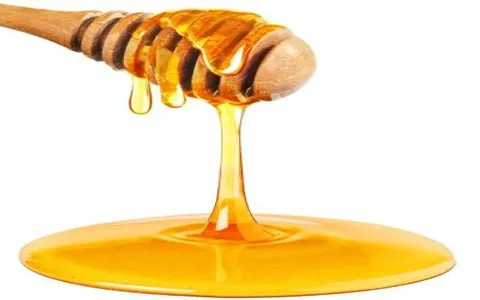
What is Wildflower Honey?
Wildflower honey, as the name suggests, is a type of honey produced by bees that forage on a diverse range of wildflowers.Unlike single-origin honeys, which come from a specific type of flower (such as clover or orange blossom), wildflower honey is a blend of nectars from various wild blooms that flourish in meadows, forests, and gardens.
This diversity of floral sources gives wildflower honey its distinct flavor profile, ranging from light and floral to robust and earthy, depending on the region and season in which it is harvested.
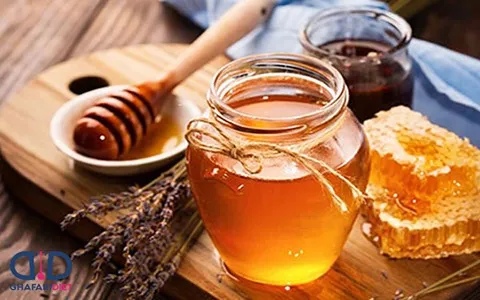
Nutritional Value of Wildflower Honey
Wildflower honey is not only a natural sweetener but also a nutritional powerhouse.Rich in antioxidants, vitamins, minerals, and enzymes, this amber-colored liquid offers a plethora of health benefits.
One of the key components of wildflower honey is its high content of phenolic compounds, which have been linked to antioxidant and anti-inflammatory properties.
These antioxidants help protect the body against oxidative stress and reduce the risk of chronic diseases.
Moreover, wildflower honey contains essential nutrients such as vitamin C, vitamin B6, riboflavin, and minerals like calcium, potassium, and iron.
Its natural sugars—glucose and fructose—provide a quick energy boost, making it a popular choice for athletes and individuals in need of a rapid energy source.
Additionally, wildflower honey has prebiotic properties that support gut health by promoting the growth of beneficial bacteria in the digestive system.
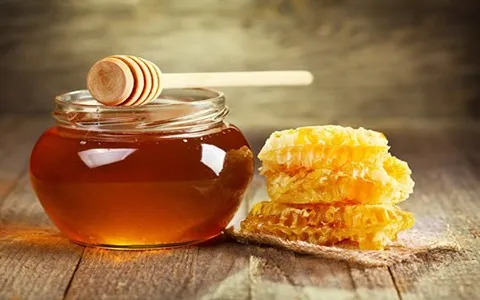
Health Benefits of Wildflower Honey
The medicinal properties of wildflower honey have been prized for centuries in traditional medicine practices worldwide.
From soothing sore throats to healing wounds, this versatile honey is a natural remedy for various ailments.
Its antimicrobial properties help fight bacteria and viruses, making it an effective treatment for minor skin infections and respiratory illnesses.
When applied topically, raw wildflower honey can accelerate wound healing and reduce inflammation, thanks to its antibacterial and anti-inflammatory effects.

Culinary Uses of Wildflower Honey
Beyond its medicinal properties, wildflower honey is a prized ingredient in culinary arts due to its versatile flavor profile and natural sweetness.
Chefs and home cooks alike use wildflower honey in a wide array of dishes, from sweet desserts to savory marinades.
Its floral notes and complex taste profile can enhance the flavor of both sweet and savory recipes, adding depth and complexity to dishes.
In baking, wildflower honey acts as a natural sweetener and moisture-retaining agent, resulting in tender cakes, chewy cookies, and flavorful bread.
It pairs beautifully with fruits, nuts, and spices, making it a staple in dessert recipes like honey-glazed fruit tarts, almond-honey muffins, and cinnamon-honey buns.
In savory cooking, wildflower honey can be used to balance out the flavors of marinades, dressings, and sauces, adding a touch of sweetness that complements savory ingredients like herbs, garlic, and vinegar.