

Though they come at different prices, one of the most common questions regarding leather care is whether the same technique can be applied to real leather and vegan leather. I also received questions about the difference between the two materials. This article aims to highlight six common differences between the two materials. Of course, that's not all, and I'm making a few guesses regarding vegan leather ingredients. For this article, I will consider vegan leather as variants of PVC and PU, as these are the main ingredients currently available on the market. Common substrates for vegan leather typically include nylon, polyester, and cotton. Then coat the support with polyurethane (for PU) or polyvinyl chloride + additive treatment (PVC). Further processes can then be applied in either variation to create the desired color and texture. Although I know there is an increase in vegan leather made from natural materials like plants and cork, my first-hand experience with this "leather" is relatively limited. As I understand it, most of them are still bonded to plastic together. The six main differences between real leather and vegan leather are as follows.
- Real leather may have visual defects, vegan leather usually has an even finish
- Real leather is more durable in the long term, vegan leather is less refined in the short term
- Real leather requires specialist cleaning care, vegan leather can be cleaned with a variety of alcohol products
- Real leather is breathable, vegan leather is not breathable
- Leather is naturally fire and heat resistant, vegan leather will melt and emit toxic substances in the event of a fire
- Real leather stretches and shrinks naturally, vegan leather can suffer structural damage from over-shaping

Real leather price
If you've been exposed to enough real leather and vegan leather, you'll be more likely to tell the difference between the two by visual cues alone, that is factors other than the price. However, how easily it can be done depends greatly on what part of the leather comes from. Leather, as we know it, is essentially hide and has limitations regarding standardization. After all, different parts of the same cow are different, which translates into the finished product. It is not uncommon for the dermis to show visual defects. These can include blemishes, scars, stretch marks, insect bites, etc. These effects are generally more pronounced in products using full-grain leather. These are usually more expensive, and the aforementioned visual flaws are a sign of authenticity. The underside of the leather usually does not have the same visual marks as the top of the leather, and even full-grain leather often goes through a finishing process that can remove or hide the defect. On the other hand, vegan leather is a standard product, and there is no difference in type compared to real leather. For example, leather made from cows that live primarily in tropical and seasonal climates can and will have slightly different properties. For plastic-based vegan leather, the creation and handling process is more standardized, so performance differences are likely to be minimized across the board. Regarding the texture of vegan leather, an overly uniform pattern is expected due to the addition of faux grain. This addition aims to achieve a look and feel that mimics real leather. Also, vegan leathers rarely deviate "to the other side." The underside of full-grain leather can be available in different textures and colors. This can also be seen at cut points and edges of leather goods. Much like the "short-term durability" of vegan leather, you can use various cleaning solutions to remove unwanted dirt and grime from vegan leather items. Any alcohol is a big no-no when it comes to the dermis. Alcohol strips natural moisture and oils from the dermis, causing unnecessary stiffness and even brittleness with prolonged overexposure. Therefore, leather's full lifespan largely depends on good cleaning practices. We try to provide you with general and specific cleaning guidelines to guide you through this critical step safely. 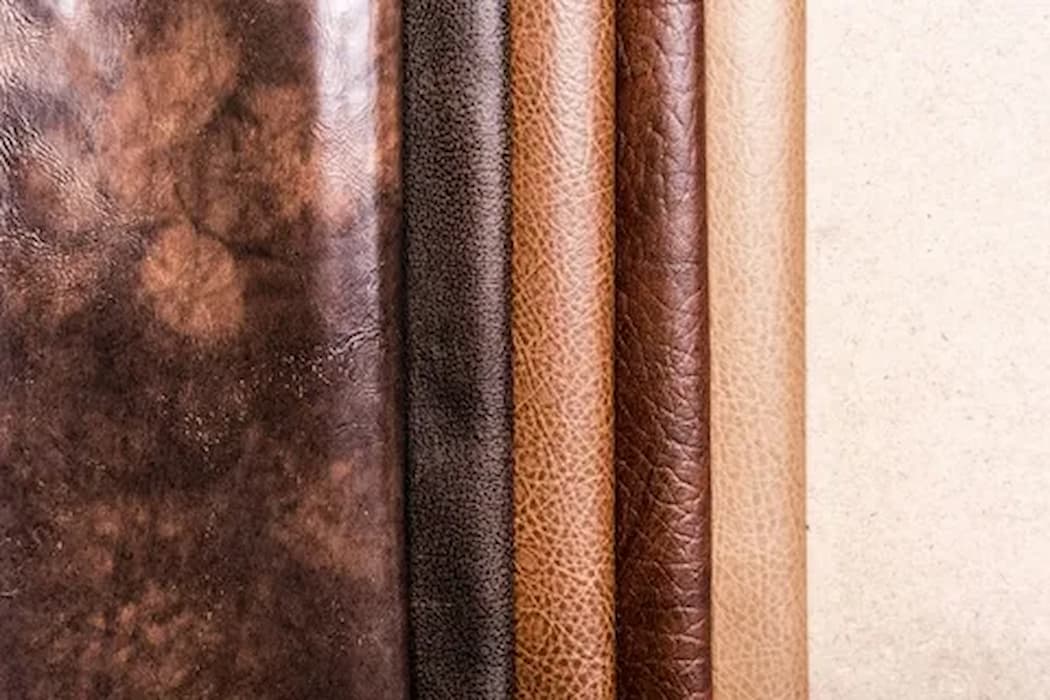
Vegan leather
Since vegan leather is usually plastic-based, this problem does not exist. There are far fewer restrictions or conditions that you need to meet during the cleansing process. Since real leather is made from animal skins, you get natural breathability from this material. This is thanks to the pores not found on vegan leather surfaces. This also explains why you are more likely to leave water marks on the dermis. You can do some treatments to increase the water repellency of leather without affecting the material's breathability. Compared to vegan leather, the higher level of breathability means you can wear real leather for longer periods with greater comfort. This is especially true if you are expected to have moderate to vigorous activity levels where you are likely to sweat. For example, vegan leather golf gloves are usually worn in winter, while real leather golf gloves are better for summer. The lack of breathability of vegan leather also makes the "manufacturing smell" of the material last longer. For some, this alone can be a deciding factor when buying real or vegan leather products.  An old (but unfortunately not very practical) way to distinguish real leather from vegan leather is to expose the material to flames. Leather is naturally heat and fire-resistant. That's not to say that real leather doesn't degrade after prolonged exposure to fire. It just doesn't melt as quickly as plastic vegan leather. The dermis will burn and shrink but not ignite or melt. If you want to check this out for yourself, be careful not to expose the sutures or wires to fire as they could burn. On the other hand, vegan leather with plastic material can melt and give off an odor that can be described as harmful after a short exposure to flames. Therefore, avoiding PU or PVC vegan leather gloves that could come close to the fire is recommended. The dermis is derived from the leather or skin of animals. This will allow it to stretch naturally. This is made possible by the presence of elastin, a protein in all mammals that makes the skin elastic. This property of real leather also allows the leather to stretch and shrink naturally without inherent structural damage. On the other hand, vegan leather is much less flexible in this respect. This also reduces the long-term durability of vegan leather products compared to real leather. The vegan leather industry is innovative. Vegan leather can be made from many plant fibers, including pineapple leaves (Pinatex), cactus (Desserto leather), cork, mushrooms, coconut shells, kombucha, mango, seaweed, and apple peels. Lab leather such as MYLO, a "non-leather" material made from mycelium, is also making its mark in the fashion world.
  That said, we haven't even discussed the impact of vegan leather production on the workers who make the product. These workers can inhale harmful chemicals for more than 12 hours a day. Nearby villages could also be exposed to increased rates of cancer and other serious illnesses if these chemicals enter nearby waterways. Because these fibers are often a by-product of the food industry, they do not create demand for resources and extract more from the planet but consume what would otherwise be thrown away. For instance, Pinatex is made from pineapple waste. Pineapple plants flowers only once and fruits only once, so its stems and leaves are usually wasted. Pinatex is made from pineapple leaf fibers, and the rest of the plant is used for composting. Plant-based, waste-reducing alternatives to leather are a win for vegans and environmentalists. The growing demand for vegan leather that a) does not come from animals and b) does not harm the environment has prompted designers to seek sustainable and ethical leather alternatives to meet consumer demand. The practice of turning cowhide into wearable leather has been around for centuries (some even suggest it started in 1200 BC!). Still, with new technologies and innovations, we are using various resources to create leather-like fabrics without animals. Be warned: it sucks, but you can't always jump for joy regarding eco-friendly vegan leather. Sometimes these awesome biodegradable materials are fused with non-biodegradable chemicals to improve the quality. Although this is not always true, when buying eco-friendly vegan leathers, try to ensure they are what they claim to be. You can trust our vegan leather brand.
0
0