

These specialized cables play a significant role in ensuring signal integrity and reliability in various applications, from industrial automation and telecommunications to medical devices and aerospace.
In this comprehensive guide, we will delve into the world of shielded cables, exploring their types, construction, benefits, and applications.
Construction of Shielded Cables
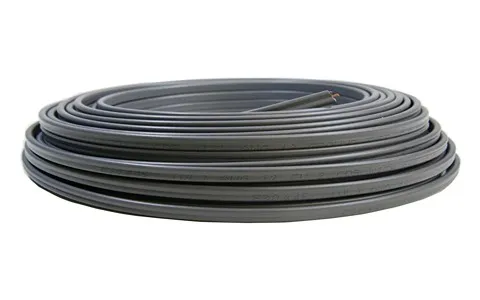
Shielded cables are typically constructed with multiple components to optimize performance and durability.
The key elements of shielded cable construction include:
Conductors: The core of the cable that carries electrical signals from one point to another.
Conductors are usually made of copper due to its high conductivity and corrosion resistance.
Insulation: A layer of insulating material, such as PVC or polyethylene, that surrounds the conductors to prevent signal loss and protect against external environmental factors.
Shielding: The outer layer of the cable that shields the conductors from EMI/RFI interference.
This can be in the form of foil, braided, or combination shielding.
Jacket: The external covering of the cable that provides mechanical protection and resistance to abrasion, chemicals, and moisture.
Benefits of Shielded Cables
EMI/RFI Immunity: Shielded cables are designed to minimize the impact of external interference on signal quality, ensuring reliable transmission in noisy environments.
Signal Integrity: By reducing electromagnetic disturbances, shielded cables help maintain signal integrity and prevent data corruption or loss.
Longevity: The robust construction of shielded cables enhances their durability and resistance to wear and tear, prolonging their lifespan.
Flexibility: Braided shielded cables offer excellent flexibility, making them suitable for applications that involve constant movement or bending.
Safety: Shielded cables help reduce the risk of electrical hazards and ensure compliance with industry safety standards.
Applications of Shielded Cables
Industrial Automation: Shielded cables are commonly used in industrial automation systems to transmit control signals, data, and power between machines and equipment.
They help maintain signal reliability in harsh industrial environments with high levels of electromagnetic interference.
Telecommunications: In telecommunications networks, shielded cables are essential for ensuring clear transmission of voice, data, and video signals over long distances.
These cables help prevent signal degradation caused by external noise sources.
Medical Devices: Shielded cables are critical components in medical devices and equipment that require precise signal transmission, such as MRI machines, ultrasound devices, and patient monitoring systems.
They help minimize the risk of interference that could compromise patient safety.
Aerospace: The aerospace industry relies on shielded cables for various applications, including avionics systems, communication systems, and navigation equipment on aircraft and spacecraft.
These cables provide the necessary protection against electromagnetic interference in the demanding aerospace environment.
Conclusion
In conclusion, shielded cables are indispensable components in modern technology that play a vital role in ensuring signal integrity and reliability across a wide range of applications.
Whether in industrial automation, telecommunications, medical devices, or aerospace, the superior EMI/RFI protection offered by shielded cables makes them the preferred choice for critical signal transmission tasks.
Understanding the types, construction, benefits, and applications of shielded cables is essential for making informed decisions when selecting the right cable for your specific needs.
Embrace the power and protection of shielded cables to optimize the performance of your electrical and electronic systems.