

Although there are numerous uses for peanut oil and it has many benefits, you should be aware of any potential side effects before using it in your diet or even for medical purposes. Peanut oil, also called groundnut oil, is made from the seeds of the peanut plant. It is often used in baking, sautéing, frying, and other types of cooking. Even though peanut oil tastes a little bit nutty, it's a good, neutral choice for most recipes. It has a high smoke point of about 450°F, which means it can tolerate high temperatures without burning. Peanut oil has a lot of vitamin E, which is an antioxidant that protects against many types of chronic disease. Because of this and the healthy fats it has, peanut oil can be a great part of your diet, as long as you don't eat too much of it. Peanut oil is good for a lot of things because it has a lot of good nutrients. It is one of the cooking oils that are good for you. it is thought to have low levels of cholesterol and trans fats. 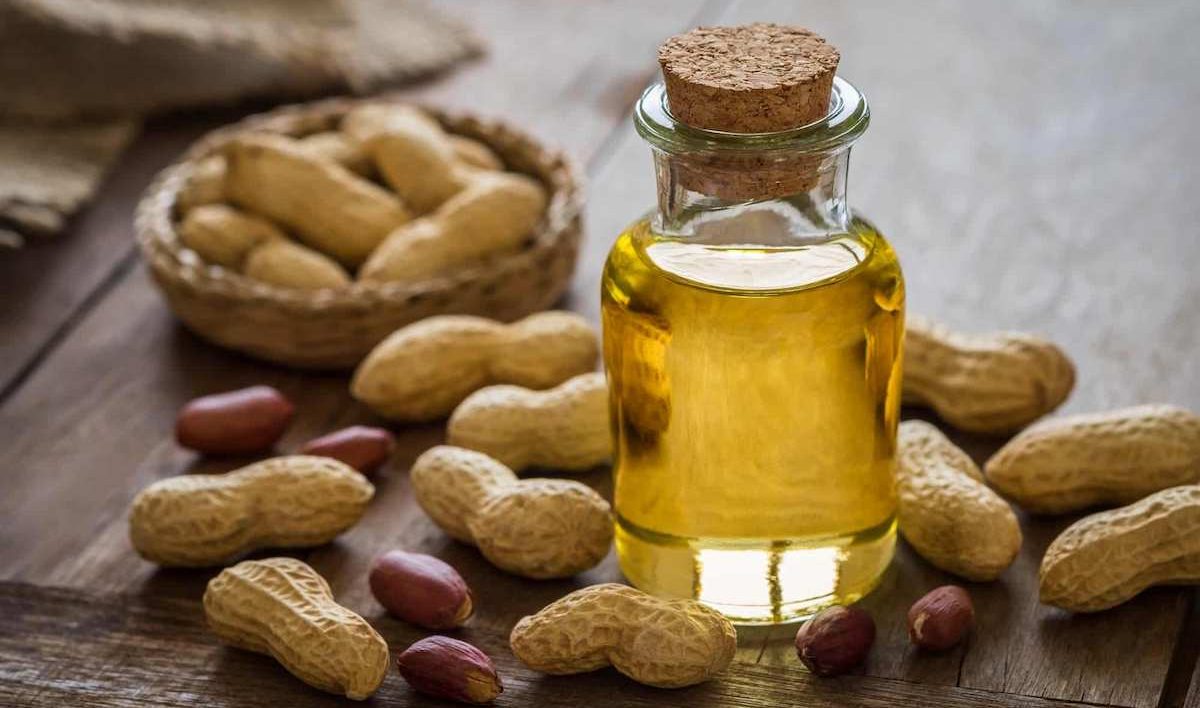 Most anecdotal evidence points to oil as a healthier option. But the oil could also have some negative effects. Let's talk about both the pros and cons of oil. Some people think that the main reason peanut oil is good is that it has a lot of vitamin E. Vitamin E is an antioxidant that is known to reduce the damage done by free radicals and cut the risk of heart disease.
- What Kinds of Peanut Oil Are Available?
1- Refined peanut oil: Peanut oil that has been cleaned up, bleached, and deodorized. Allergens are taken out of the oil during the process. This makes it safe for people with peanut allergies to use. 2- Cold-pressed peanut oil: Peanut oil is made by crushing peanuts and forcing the oil out. This one keeps more of the taste and nutrition. 
peanut oil benefits
You can easily incorporate the nutritional benefits of peanuts into some of your favorite dishes by using peanut oil. They also taste fantastic! The flavor of peanut oil is pleasant and occasionally mild and nutty. In addition to having a superb flavor, peanut oil has a special quality that makes it ideal for deep frying. The taste of other meals fried in the oil is not absorbed by it. As a result, you may cook a variety of foods together, yet they all retain their own flavors. Because it can achieve a high temperature that maintains the exterior of food crispy and the interior very moist, peanut oil is also one of the most widely used deep-frying oils in the world. For many years, many restaurants have used peanut oil for frying since it tastes fantastic and works well with many kinds of dishes.
- What Are Peanut Oil Benefits?
- Good for The Heart
Peanut oil provides vitamin E. Researchers have shown that this vitamin is effective at neutralizing the free radicals that can contribute to heart disease.
- Improve Brain Health
There isn't any direct research that says peanut oil may be good for your brain. But the vitamin E it has might have something to do with it. 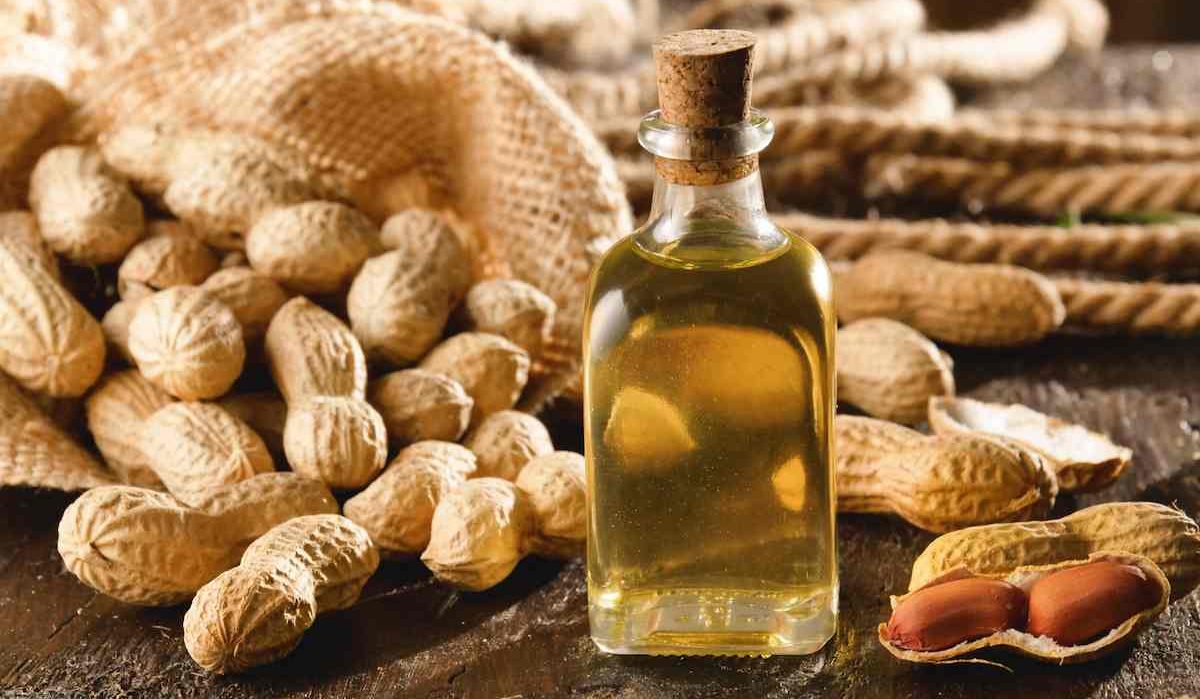
- Make Insulin Work Better
Peanut oil has oleic acid, which has been shown to help people with type 2 diabetes make more insulin. The bad effects of inflammation on type 2 diabetes can also be reversed by eating a lot of peanut oil.
- Help Lower the Risk of Cancer
Phytosterols, which are found in peanut oil, are known to have anticancer properties. Cancers of the prostate and colon might be less likely to happen if these compounds are used. According to some research, they may lower the chance of getting breast cancer.
- Help Ease Joint Pain
There are polyunsaturated fatty acids in peanut oil. Studies show that they might be able to help treat joint pain caused by rheumatoid arthritis.  The oil could be used to ease painful joint pains that make it hard to move. If you eat too much peanut oil, you might get some side effects. We're going to talk about them in the next section.
- Delay Signs of Aging
There is no direct evidence that peanut oil can slow down the signs of aging. But some research shows that the oil's vitamin E might help in this way. Most over-the-counter anti-aging products have a lot of vitamin E in them.
- Help with Dry Skin
Atopic dermatitis may feel better if you put vitamin E on it. Peanut oil could help treat dry skin if it was put on the skin. Some people think that the oil could also help by keeping the skin moist. If you want to use the oil on your face or other damaged regions, you should do so and keep it on for around 20 minutes. Like always, take a bath. 
peanut oil side effects
Peanut oil may have a number of benefits, but it may also cause a number of side effects. Even though refined kinds of oil have a fairly high smoke point, they might not be the best choice for cooking at high temperatures. Because they have a lot of unsaturated fatty acids, which are more likely to turn rancid when heated. Omega-6 fatty acids, which can make the body more inflamed, are also found in high amounts in this common cooking oil. High levels of inflammation can also be bad for your health and could make you more likely to get a long-term illness.
- What Are Peanut Oil's Side Effects and Allergies?
- Omega-6 Fatty Acids in High Quantity
There are a lot of omega-6 fatty acids in peanut oil. Even though these fatty acids are important, too many of them can be bad. In general, omega-6 fatty acids tend to make inflammation worse. Omega-6 fatty acids make up a bigger part of the typical Western diet than omega-3 fatty acids. If this is the case, adding too much peanut oil may cause the amount of omega-6 fatty acids to rise even more.  This can make you more likely to get heart disease, non-alcoholic fatty liver disease, being overweight, and inflammatory bowel disease.
- Allergies
Those who are allergic to peanuts may also become allergic to the oil. Some of the signs of these allergies are urticaria, which is a round rash on the skin, reactions in the stomach and upper respiratory tract, and anaphylaxis.
- Easily Turn Rancid
The polyunsaturated fatty acids in the oil may oxidize easily. This can happen even if all you do is heat the oil. This oxidation can lead to the formation of free radicals, which can hurt the body (also called oxidative damage). This could make the immune system weaker and cause inflammation. So, it might not be a good idea to cook with peanut oil all the time. You might want to choose something better for you, like olive oil (extra virgin olive oil could be a better idea). If you are pregnant or breastfeeding, don't use more peanut oil than usual (after consulting your doctor). Don't eat too much of it. Also, don't use the oil if you are allergic to peanuts, soy, or other plants in the same family (members from the Fabaceae plant family).