

Building or renovating a home involves considering countless aspects, and one crucial element that often doesn't get the attention it deserves is the drain system.
Drain pipes and fittings play a critical role in ensuring the efficient and proper disposal of wastewater from our homes.
In this guide, we will explore the world of drain pipes and fittings, covering everything from their types and materials to their installation and maintenance, empowering you to make informed decisions.
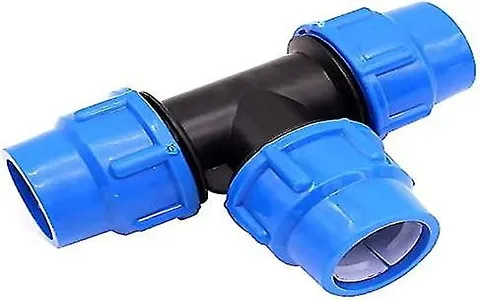
Types of Drain Pipes
PVC Drain Pipes
Polyvinyl chloride (PVC) is a popular choice for drain pipes due to its affordability, durability, and resistance to corrosion.
PVC drain pipes are commonly found in residential applications and are available in different sizes and configurations to accommodate various flow rates and drainage needs.
Cast Iron Drain Pipes
Cast iron pipes offer exceptional strength and durability, making them ideal for larger-scale commercial and industrial applications.
Although more expensive than PVC, cast iron pipes are known for their longevity and fire-resistant properties.
ABS Drain Pipes
Acrylonitrile butadiene styrene (ABS) is a type of plastic commonly used in drain pipe systems.
ABS pipes are lightweight, easy to install, and resistant to chemicals and temperature changes.
They are an excellent choice for residential and light commercial applications.
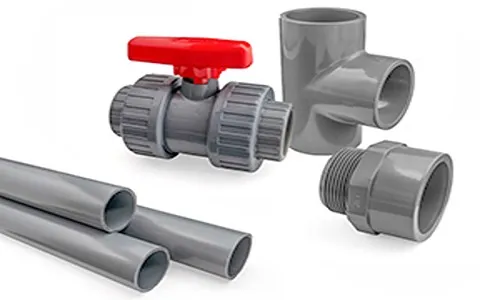
Installation Process for Drain Pipes and Fittings
Plan and Design
Before installation, create a detailed plan that ensures proper slope, pipe diameter, and positioning of fittings.
This will help prevent blockages and maximize the efficiency of the drain system.
Prepare the Area
Clear the area of debris and excavate as needed to create the trench for the drain pipes.
Ensure proper compaction and slope for water flow.
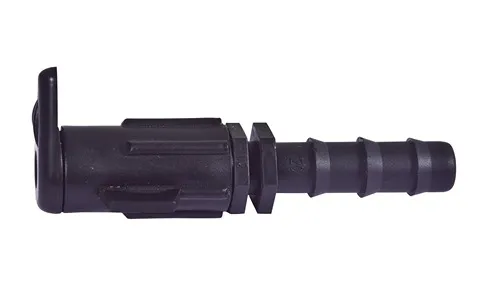
Lay the Pipes
Start at the lowest point of the system and work your way up, ensuring a gradual slope of 1/4 inch per foot for wastewater drainage.
Connect the pipes using appropriate fittings and secure them tightly to avoid any leaks.
Test the System
Before covering the pipes with fill material, test the system for leaks by filling it with water and observing if there is any water loss or irregular flow.
Cover and Backfill
Once the system passes the leak test, cover the pipes with fill material, ensuring proper compaction to prevent settling and potential pipe damage.
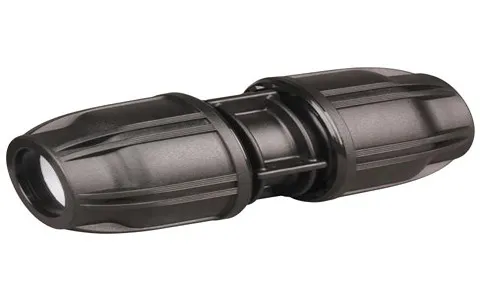
In conclusion, drain pipes and fittings are critical components of any plumbing system, ensuring the efficient removal of wastewater from our homes and buildings.
Understanding the various types of drain pipes, materials used in their construction, and the factors involved in selecting the right fittings is essential for a successful installation.