

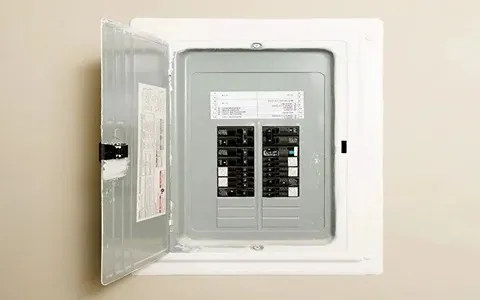
electrical panel in home
At its core, the electrical panel is responsible for regulating the flow of electricity from the main power source to individual circuits that power various appliances, lights, and outlets in the home.
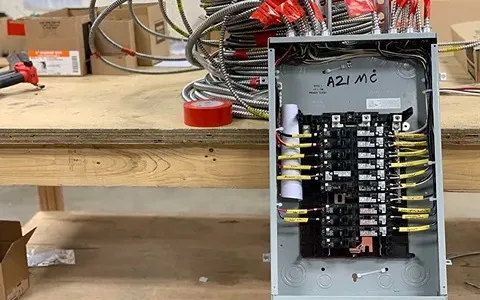
The panel contains circuit breakers or fuses that act as safety devices to prevent electrical overload and fire hazards.
When an electrical circuit is overloaded, the circuit breaker automatically trips, cutting off power to that specific area to prevent damage to the wiring and appliances.
One of the key elements of the electrical panel is the main breaker, which controls the flow of electricity from the utility company to the panel.
The main breaker is typically located at the top of the panel and can be manually switched off to disconnect power to the entire house in case of emergencies or maintenance.
It is important to know the location of the main breaker in case you need to shut off power to your home quickly.
Inside the electrical panel, there are individual circuit breakers or fuses that control power to different areas of the house.
Each breaker is labeled to indicate which circuits it controls, making it easier to identify and troubleshoot electrical issues.
It is important to keep the panel well-organized and clearly labeled to ensure easy access and identification of each circuit.
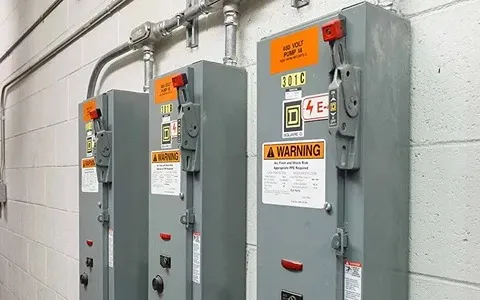
When installing new electrical circuits or making modifications to the existing wiring, it may be necessary to upgrade the electrical panel to accommodate the increased power requirements.
Older homes with outdated panels may not be able to handle the electrical load of modern appliances and electronics, leading to frequent tripping of circuit breakers and potential safety hazards.
By upgrading to a higher capacity panel, homeowners can ensure that their electrical system is safe and reliable.
Regular maintenance of the electrical panel is essential to ensure the safe operation of the electrical system.
Inspecting the panel for any signs of damage, corrosion, or overheating can help prevent electrical fires and malfunctions.
Loose connections, burnt wires, or buzzing sounds coming from the panel are warning signs that should be addressed immediately by a qualified electrician.
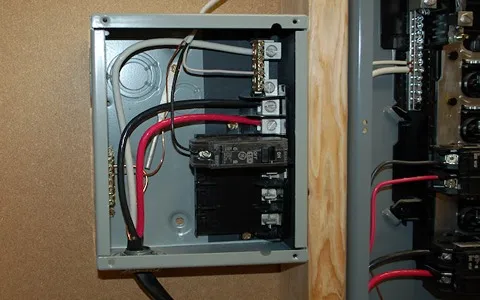
In addition to safety concerns, the efficiency of the electrical panel can impact the overall energy consumption of the home.
By ensuring that the panel is properly sized and configured to meet the power demands of the household, homeowners can minimize energy waste and reduce utility costs.
Upgrading to a modern, energy-efficient panel with built-in surge protection can provide added benefits such as increased reliability and protection against power surges.