

With its striking foliage, resilience, and various uses, Japanese barberry has become a beloved choice for gardens, landscapes, and even medicinal purposes.
In this comprehensive guide, we will delve into the fascinating world of Japanese barberry, exploring its origins, characteristics, cultivation tips, and the many benefits it offers.
Whether you're a seasoned horticulturist or a gardening enthusiast, this article aims to provide you with a wealth of knowledge about this captivating plant.
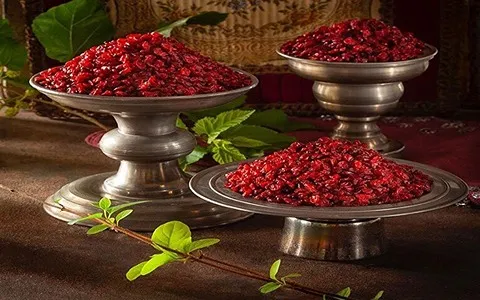
Introduction to Japanese Barberry
Japanese barberry, scientifically known as Berberis thunbergii, is a deciduous shrub native to Japan.
It belongs to the barberry family, Berberidaceae, which includes over 500 species of shrubs and herbaceous plants.
The species name, thunbergii, is a tribute to the Swedish botanist Carl Peter Thunberg, who introduced the plant to Europe in the late 18th century.
Characteristics of Japanese Barberry
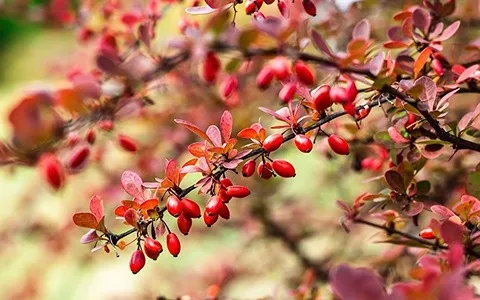
One of the most distinctive features of Japanese barberry is its colorful foliage.
The leaves range from bright green in spring to deep shades of red, orange, or burgundy in the fall, creating a stunning display of colors throughout the growing season.
The shrub typically grows to a height of 3 to 6 feet, with a similar spread, forming a dense, compact mound of branches.
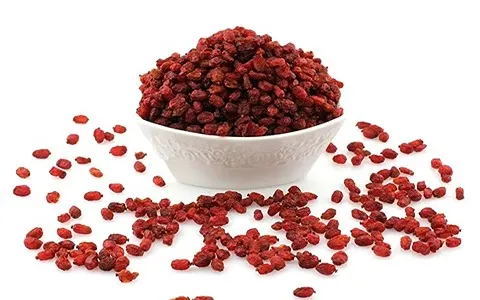
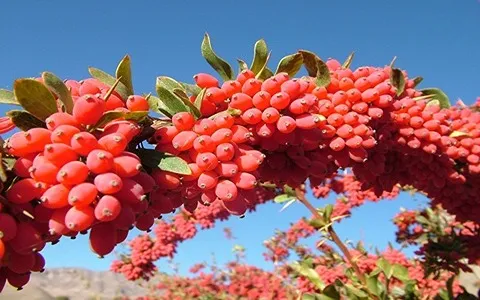
In addition to its foliage, Japanese barberry produces small, yellow flowers in spring, followed by bright red berries in late summer or fall.
These berries are not only ornamental but also serve as a food source for birds, making Japanese barberry a valuable addition to wildlife-friendly gardens.
Cultivation and Care
Japanese barberry is a hardy and adaptable plant, making it suitable for a wide range of growing conditions.It thrives in full sun to partial shade and can tolerate various soil types, including clay, loam, and sandy soils.
However, well-drained soil is essential to prevent waterlogging, which can lead to root rot.
When planting Japanese barberry, choose a location with good air circulation to minimize the risk of fungal diseases.
Dig a hole slightly larger than the root ball and place the shrub at the same depth as it was in the container.
Backfill with soil and water thoroughly to settle the roots.
Mulching around the base of the plant can help retain moisture and suppress weeds.
Japanese Barberry
Regular watering is crucial, especially during the establishment period.
Once established, Japanese barberry is relatively drought-tolerant and only requires supplemental watering during prolonged dry spells.
Fertilize the shrub in spring with a balanced fertilizer to promote healthy growth and vibrant foliage.
Pruning is also essential to maintain the shape and size of Japanese barberry.
Remove dead or diseased branches, as well as any crossing or crowded stems, to improve air circulation and overall plant health.
Avoid pruning in late summer or fall, as this can stimulate new growth that may not harden off before winter.