

High density polyethylene (HDPE) pipe is a versatile and durable material that has revolutionized the plumbing and construction industries.
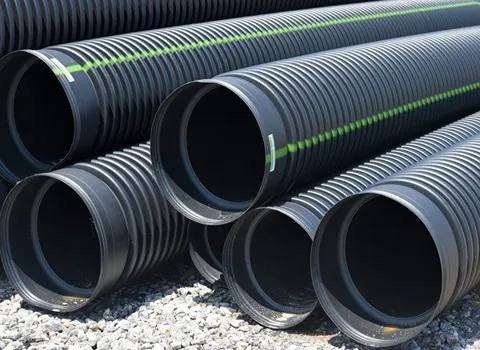
High density polyethylene pipe
Its unique properties make it an ideal choice for a wide range of applications, from residential plumbing to industrial water distribution systems.
HDPE pipe is made from a thermoplastic polymer material that is known for its high strength-to-density ratio.
This means that HDPE pipe is incredibly strong and durable, yet lightweight and flexible, making it easy to transport and install.
Unlike traditional metal pipes, HDPE pipe is corrosion-resistant, meaning it will not rust or deteriorate over time.
This makes it an excellent choice for applications where the pipe will be exposed to harsh environments or corrosive chemicals.
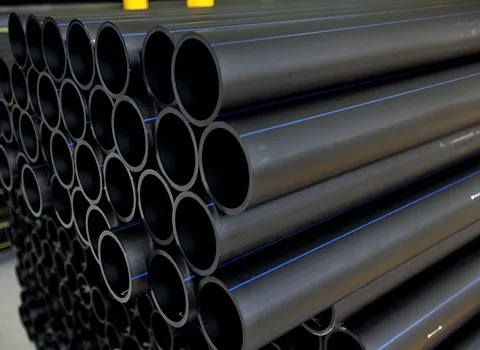
Benefits of high density polyethylene pipe
One of the key benefits of HDPE pipe is its long service life.
HDPE pipe is designed to last for decades, even in the most demanding conditions.
This durability is due in part to the material's resistance to abrasion and impact, which helps prevent cracks and leaks.
In addition, HDPE pipe is highly resistant to chemicals, making it suitable for use in applications where other materials may fail.
Another advantage of HDPE pipe is its flexibility.
HDPE pipe is highly flexible and can be bent and curved to fit the contours of the land, reducing the need for additional fittings and joints.
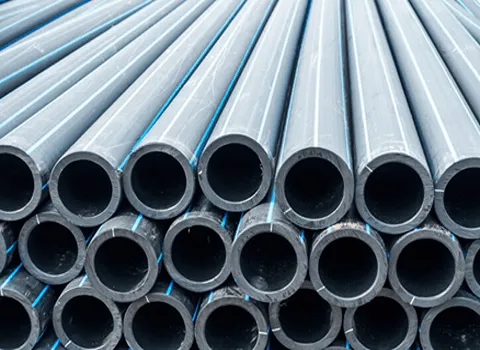
This not only simplifies the installation process but also reduces the risk of leaks and other issues associated with traditional pipe systems.
Additionally, the smooth interior surface of HDPE pipe reduces friction and pressure drop, improving the overall efficiency of the system.
HDPE pipe is also highly resistant to temperature fluctuations, making it suitable for use in a wide range of climates.
Whether you are working in extreme heat or cold, HDPE pipe will maintain its integrity and performance, ensuring reliable operation year-round.
In addition, HDPE pipe is UV-resistant, meaning it will not degrade when exposed to sunlight, further extending its service life.
Another advantage of HDPE pipe is its ease of installation.
HDPE pipe is lightweight and easy to handle, making it ideal for use in tight spaces or remote locations.
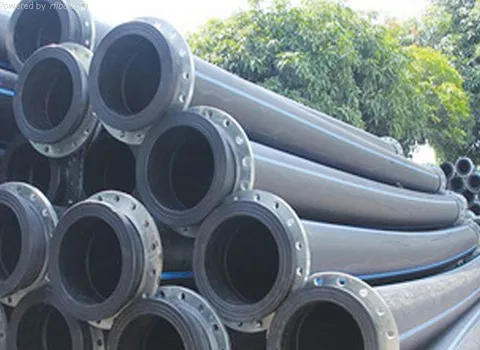
The material can be joined using a variety of methods, including heat fusion, electrofusion, and mechanical fittings, ensuring a secure and leak-free connection every time.
This versatility and ease of installation help reduce labor costs and minimize project downtime, saving you time and money.
In addition to its physical properties, HDPE pipe is also environmentally friendly.
HDPE pipe is 100% recyclable, meaning it can be melted down and used to create new pipe products.
This closed-loop recycling process helps reduce waste and conserves natural resources, making HDPE pipe a sustainable choice for your project.
Furthermore, because HDPE pipe is lightweight and easy to transport, it requires less energy to manufacture and install compared to other materials, further reducing its environmental impact.