

With its robust flavor profile, versatility in the kitchen, and a host of health benefits, dried savory deserves a spot in every spice rack.
In this comprehensive guide, we'll dive deep into the world of dried savory, exploring its origins, culinary uses, health benefits, and tips on incorporating it into your cooking repertoire.
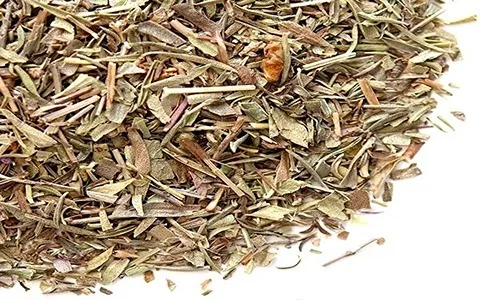
Origins and Varieties of Dried Savory
Dried savory, scientifically known as Satureja, belongs to the mint family Lamiaceae.
The herb is native to the Mediterranean region and has been cultivated for centuries for its culinary and medicinal uses.
There are two main varieties of savory – summer savory (Satureja hortensis) and winter savory (Satureja montana).
Summer Savory: Summer savory is the most commonly used variety in culinary applications.
It has a more delicate flavor compared to winter savory and is often described as peppery with hints of mint and thyme.
Summer savory is a popular ingredient in European and Mediterranean cuisines, where it is used to season a wide range of dishes, from meats and vegetables to soups and stews.
Winter Savory: Winter savory has a stronger, more pungent flavor than its summer counterpart.
It is often used in hearty dishes that require longer cooking times, as its robust flavor can stand up to extended cooking processes.
Winter savory is a staple in traditional French and Italian cooking, where it is used in dishes like casseroles, bean dishes, and sauces.
Both summer and winter savory are available in dried form, which helps intensify their flavors and allows for easy storage and prolonged shelf life.

Dried savory is a versatile herb that can elevate the flavor of a wide range of dishes.
Its aromatic and slightly peppery taste makes it a popular choice for adding depth and complexity to both savory and sweet recipes.
Here are some popular ways to use dried savory in your cooking:
Meat Seasoning: Dried savory pairs exceptionally well with meats, such as beef, poultry, and lamb.
Sprinkle it on roasts, chops, or kebabs before cooking to add a savory and aromatic kick to your dishes.
Vegetable Dishes: Dried savory can enhance the flavors of vegetable dishes, such as roasted vegetables, sautéed greens, and vegetable soups.
It complements the earthy sweetness of vegetables like carrots, potatoes, and squash.
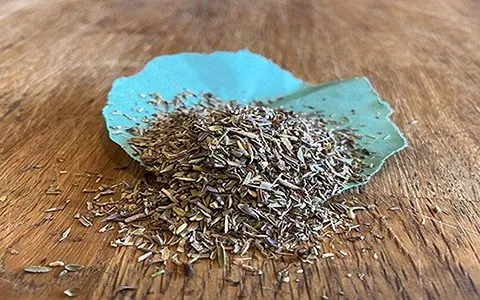
Bean Dishes: Beans and lentils benefit from the addition of dried savory, which helps to balance their earthy flavors and adds a savory note to dishes like bean soups, stews, and casseroles.
Sauces and Marinades: Dried savory can be used to flavor sauces, marinades, and dressings.
Its peppery and herbaceous notes can elevate the taste of pasta sauces, salad dressings, and marinades for grilled meats.
Baking: Surprisingly, dried savory can also be used in baking, particularly in savory bread, biscuits, and other baked goods.
It adds a unique flavor dimension and pairs well with ingredients like cheese, garlic, and olives.
Overall, dried savory is a versatile herb that can be used in a multitude of dishes to enhance their flavors and take your culinary creations to the next level.
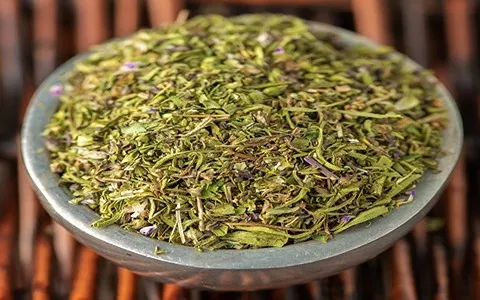
Health Benefits of Dried Savory
In addition to its culinary uses, dried savory also offers a host of health benefits.
This herb is rich in vitamins, minerals, and phytonutrients that contribute to overall well-being.
Here are some of the health benefits of incorporating dried savory into your diet:
Digestive Aid: Dried savory contains compounds that help aid digestion and relieve gastrointestinal discomfort.
It can help reduce bloating, gas, and indigestion when consumed regularly.
Antioxidant Properties: Dried savory is rich in antioxidants, which help protect cells from damage caused by free radicals.
Antioxidants have been linked to a reduced risk of chronic diseases, such as heart disease and cancer.