

Origins and Types of Cinnamon
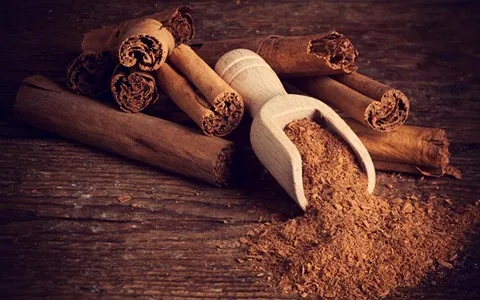
Cinnamon, derived from the inner bark of trees belonging to the genus Cinnamomum, has a fascinating history that traces back to ancient civilizations.
The two primary types of cinnamon commonly used today are Ceylon cinnamon (Cinnamomum verum) and Cassia cinnamon (Cinnamomum cassia).
Ceylon cinnamon, also known as "true" cinnamon, is considered to be the original cinnamon variety and is prized for its delicate, sweet flavor profile.
It is predominantly cultivated in Sri Lanka, India, Madagascar, and the Seychelles.
On the other hand, Cassia cinnamon, which is more widely available and affordable, hails from China, Indonesia, and Vietnam.
While both types of cinnamon share similar aromatic qualities, Ceylon cinnamon is often preferred for its milder taste and lower coumarin content.
Join us on a journey to discover the spice of life: cinnamon.
Health Benefits of Cinnamon
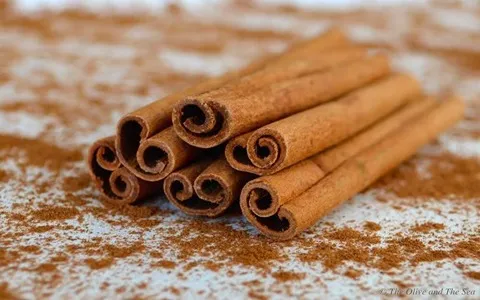
Beyond its captivating aroma and flavor, cinnamon is packed with a plethora of health benefits that have been recognized for millennia.
One of the key components of cinnamon is cinnamaldehyde, a bioactive compound responsible for its distinctive scent and therapeutic properties.
Cinnamon is a potent source of antioxidants, which help combat oxidative stress and reduce inflammation in the body.
Studies have also shown that cinnamon may help regulate blood sugar levels by improving insulin sensitivity and lowering fasting blood glucose levels.
Additionally, cinnamon has been linked to reduced risk factors for heart disease, including lower cholesterol levels and improved blood pressure.
Culinary Uses of Cinnamon
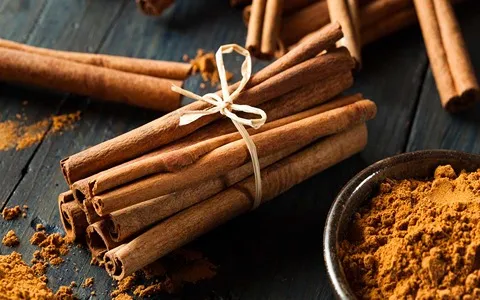
Cinnamon's warm and inviting flavor makes it a versatile spice that complements both sweet and savory dishes.
In baking, cinnamon is a star ingredient in an array of treats, including cinnamon rolls, apple pies, and snickerdoodle cookies.
The spice can also be sprinkled over oatmeal, yogurt, or fruit salads to add a touch of sweetness and warmth.
Cinnamon pairs exceptionally well with fruits like apples, pears, and bananas, enhancing their natural sweetness and depth of flavor.
Cinnamon, with its captivating aroma, delectable flavor, and impressive health benefits, stands out as a true gem in the world of spices.
cinnamon best features
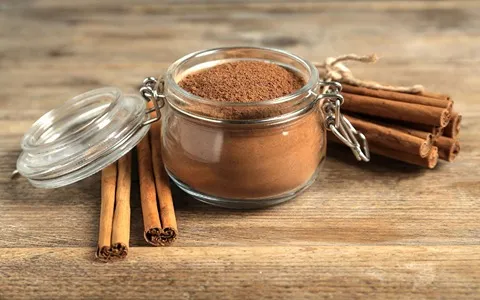
From its origins in ancient civilizations to its widespread use in modern cuisine and wellness practices, cinnamon continues to shine as a versatile and beloved ingredient that bridges culinary traditions, cultural customs, and medicinal wisdom.
Whether enjoyed in a steaming cup of chai, a fragrant Moroccan tagine, or a comforting batch of snickerdoodle cookies, cinnamon invites us to savor its warmth, sweetness, and aromatic charm in a myriad of culinary creations.
As you embark on your journey with cinnamon, remember to savor each moment, each flavor, and each experience that this spice offers.
Whether you are exploring new recipes, embracing wellness rituals, or connecting with cultural traditions, let cinnamon be your guide to a world of sensory delight, nourishment, and connection.
Embrace the spice of life with cinnamon, and let its essence infuse your days with joy, creativity, and a touch of magic that transcends time and borders.
Enjoy the warmth, sweetness, and richness of cinnamon, and let this extraordinary spice illuminate your path to culinary and holistic well-being.