

Produced from the nectar of the delicate purple alfalfa flowers, this exquisite honey has captured the hearts of honey enthusiasts worldwide.
In this comprehensive guide, we will delve into the origins, composition, health benefits, culinary uses, and much more about alfalfa honey.
Origins of Alfalfa Honey
Alfalfa (Medicago sativa) is a perennial flowering plant belonging to the pea family, primarily grown for livestock forage due to its high protein content.
Native to Central Asia, alfalfa has since been cultivated globally, including North America, Europe, and Australia.
Alfalfa honey, harvested from alfalfa fields during the plant's bloom, showcases the unique floral and herbal notes derived from the nectar of these purple alfalfa blooms.

Composition and Characteristics
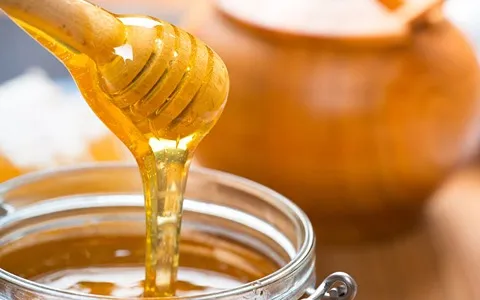
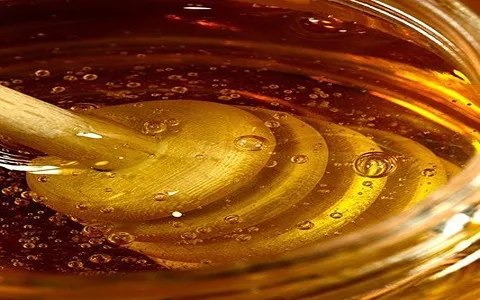
Alfalfa honey is renowned for its light amber color, often described as "goldenrod yellow," and its exceptional clarity.
This honey typically has a mild and delicate flavor profile, featuring subtle herbal undertones with a hint of nuttiness.
Its aroma is equally enchanting, evoking a sense of freshly cut hay fields with floral nuances.
In a world filled with artificial sweeteners and processed foods, honey stands out as a natural and wholesome alternative that offers both flavor and nutrition.
Its purity and simplicity remind us of the beauty of nature and the importance of preserving our planet's resources for future generations.
By choosing honey, you are not only treating yourself to a delicious and healthy product but also supporting sustainable agriculture and beekeeping practices that benefit the environment.

Nutritional Value
Like other varieties of honey, alfalfa honey is a natural source of carbohydrates, primarily in the form of fructose and glucose.
It also contains trace amounts of essential vitamins and minerals, including B vitamins, vitamin C, and minerals like calcium, iron, and potassium.
Alfalfa honey is free from fat and cholesterol, making it a healthier alternative to refined sugars in moderation.
Honey, the golden nectar that has been cherished by humanity for centuries, is more than just a sweet treat.
Its rich history, diverse uses, and incredible health benefits make it a truly remarkable natural product that has captured the hearts and taste buds of people all over the world.
Dating back to ancient times, honey has been valued for its unique taste and numerous medicinal properties.
Civilizations across the globe, from the Egyptians to the Greeks, recognized the value of honey and used it for various purposes.
Honey was not only a form of currency but also a key ingredient in traditional medicines and religious rituals.
Its sweet flavor and long shelf life made it an essential staple in households everywhere.
But honey is not just a delicious food -- it is also a powerhouse of nutrients and health benefits.
Rich in antioxidants, vitamins, and minerals, honey is a natural source of energy and immune system support.
Its antimicrobial properties can help fight off infections and soothe sore throats, while its anti-inflammatory effects may reduce allergies and improve digestion.
Health Benefits of Alfalfa Honey
Anti-Inflammatory Properties: Alfalfa honey contains antioxidants that help reduce inflammation in the body, which can benefit individuals with conditions such as arthritis and respiratory issues.
Immune Boosting: The natural antibacterial properties of alfalfa honey can help strengthen the immune system and ward off common colds and infections.
Digestive Health: Consuming alfalfa honey in moderation can support digestive health by promoting the growth of beneficial gut bacteria and soothing gastrointestinal discomfort.
Skin Care: Topical application of alfalfa honey can help moisturize the skin, reduce inflammation, and promote wound healing, making it a natural option for skincare routines.